
Journal
A practitioner's perspective on architecture and the built world — the design decisions, market realities, and project knowledge that don't usually get written down. Published weekly.
Contents:
Architecture, culture, and the ideas worth arguing about.
What building on St. John, St. Thomas, and St. Croix actually involves — from land to permit to construction.
Renovation in Romania — what the building, the process, and the design actually involve.
How we work with clients across time zones, jurisdictions, and project types.
What building from the ground up actually involves — structure, permits, cost, decisions.
What existing buildings require before, during, and after — structure, regulation, and cost.
Latest articles:

What Does the USVI Permitting Process Actually Look Like?
Building in the US Virgin Islands requires two separate permits — a standard building permit issued by the Department of Planning and Natural Resources (DPNR) and, in most cases, a Coastal Zone Management (CZM) permit from the same department. Both require full construction documents including architectural drawings, structural design, basic MEP drawings, and a topographic survey. The process can be initiated through DPNR's ePermits portal, and an experienced architect will handle the bulk of the submission — but the groundwork has to be right before anything is filed. Get that wrong and you're not dealing with a delay; you're starting over.

How to Manage a USVI Construction Project from the Mainland
Managing a construction project in the US Virgin Islands from the mainland is less unusual than it sounds. Island builds are structurally remote from the start — specialists routinely work across locations, materials arrive by barge, and no single person is physically present for every decision. The question isn't whether remote management is possible. It's whether you have the right team and the right expectations in place before ground breaks.
What a USVI Project Actually Demands From Your Architect
Building a home in the US Virgin Islands is not a mainland project with better views. The structural defaults are different, the terrain is unforgiving, the supply chain adds cost and time to every decision, and managing a project across time zones and water requires a specific kind of discipline.
An architect without direct USVI experience isn't starting from a position of competence — they're starting from a position of assumption. What follows is a breakdown of where that gap shows up, and what it costs when it does.

St. John vs. St. Thomas vs. St. Croix: Which Island Should You Build On?
If you're planning a residential build in the US Virgin Islands, the island you choose matters as much as the lot you choose on it. St. John is the right choice for private, nature-forward residential builds where seclusion and low density are the point. St. Thomas suits clients who want convenience, infrastructure, and connectivity alongside their home. St. Croix offers the most financially accessible entry point, with larger lots, flatter terrain, and lower land prices — at the cost of some amenity and cachet. There is no universally correct answer, but there is a correct answer for your project.
How Do You Design a Hurricane-Resistant Home in the USVI?
Designing a hurricane-resistant home in the US Virgin Islands means engineering for two simultaneous threats: extreme wind events and seismic activity. The USVI Building Code requires homes to withstand ultimate design wind speeds of 165 mph, and the islands sit in Seismic Design Category C — a combination that eliminates many of the structural shortcuts common in mainland US residential construction. Code compliance is achievable with the right structural system, roof geometry, and opening protection. But compliance is the floor. The homes that perform best in major storms are the ones where the architect treated the code as a starting point, not a checklist.
Why Building on St. John Takes Longer Than You Think — And How to Plan for It
Building a custom home on St. John, USVI typically takes 24–36 months from permit application to certificate of occupancy — roughly double the 12.5-month average for a custom home on the US mainland, according to the US Census Bureau's 2022 Survey of Construction.
The reasons are structural, not incidental: steep terrain drives up engineering complexity, a multi-agency permitting process has no fast lane, every material travels by barge, and there is no municipal water supply. None of these are surprises if you know to look for them. Most first-time builders on St. John don't, and they pay for it in schedule and budget.

What Is the USVI Coastal Zone Permit and Do You Need One?
A coastal zone permit is a mandatory approval issued by the USVI Department of Planning and Natural Resources (DPNR) for any development activity within the territory's designated coastal zone. If you are planning a new residential build in the USVI and your site falls within that zone — which, given the territory's geography, is more likely than not — you cannot break ground without one.
For a private home, the process runs through a Minor Permit procedure. Under the Virgin Islands Coastal Zone Management Act, DPNR is legally required to decide on a complete minor permit application within 90 days; end-to-end, including application preparation, the process typically runs 4–6 months.
How We Design USVI Villas That Work as Vacation Rentals
A USVI villa that performs as a vacation rental isn't luck — it's the result of one decision made before anything is drawn: how much will you actually use this property, and what does that mean for everything else? Get that answer right, and the design brief writes itself. Skip it, and you'll end up with a beautiful house that either sits empty when you're not there or feels like a hotel when you are.
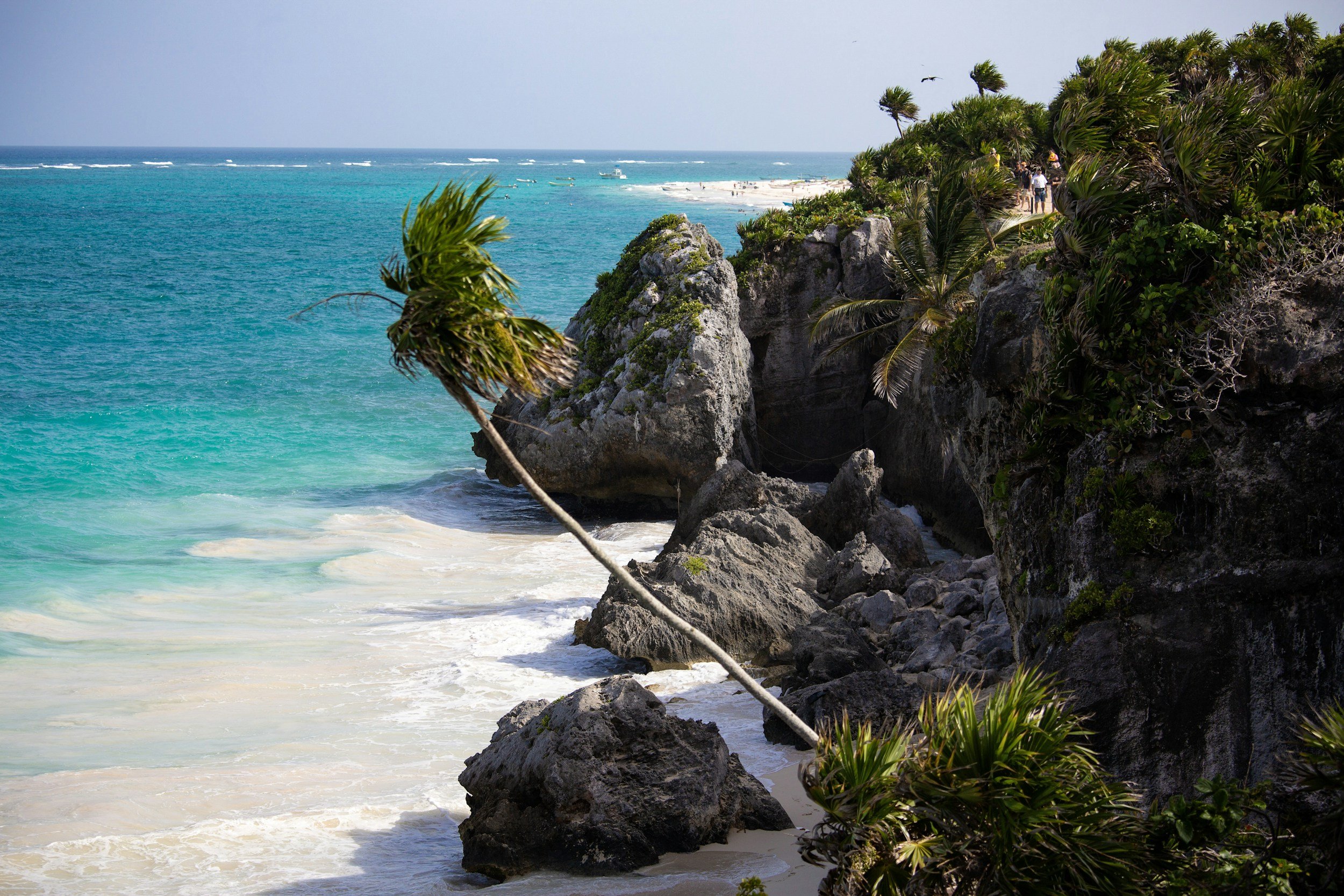
Buying Land on St. John: What to Check Before You Make an Offer
Buying land on St. John, USVI requires more due diligence than a comparable mainland purchase — and the checks that matter most are not the ones most buyers think to make. Before you make an offer, you need to verify slope, site access, solar orientation, zoning, and whether your plot falls under Coastal Zone Management (CZM) permitting. Miss any of these and you risk buying a plot that is either unbuildable, prohibitively expensive to build on, or legally constrained in ways that will reshape your project before it starts.
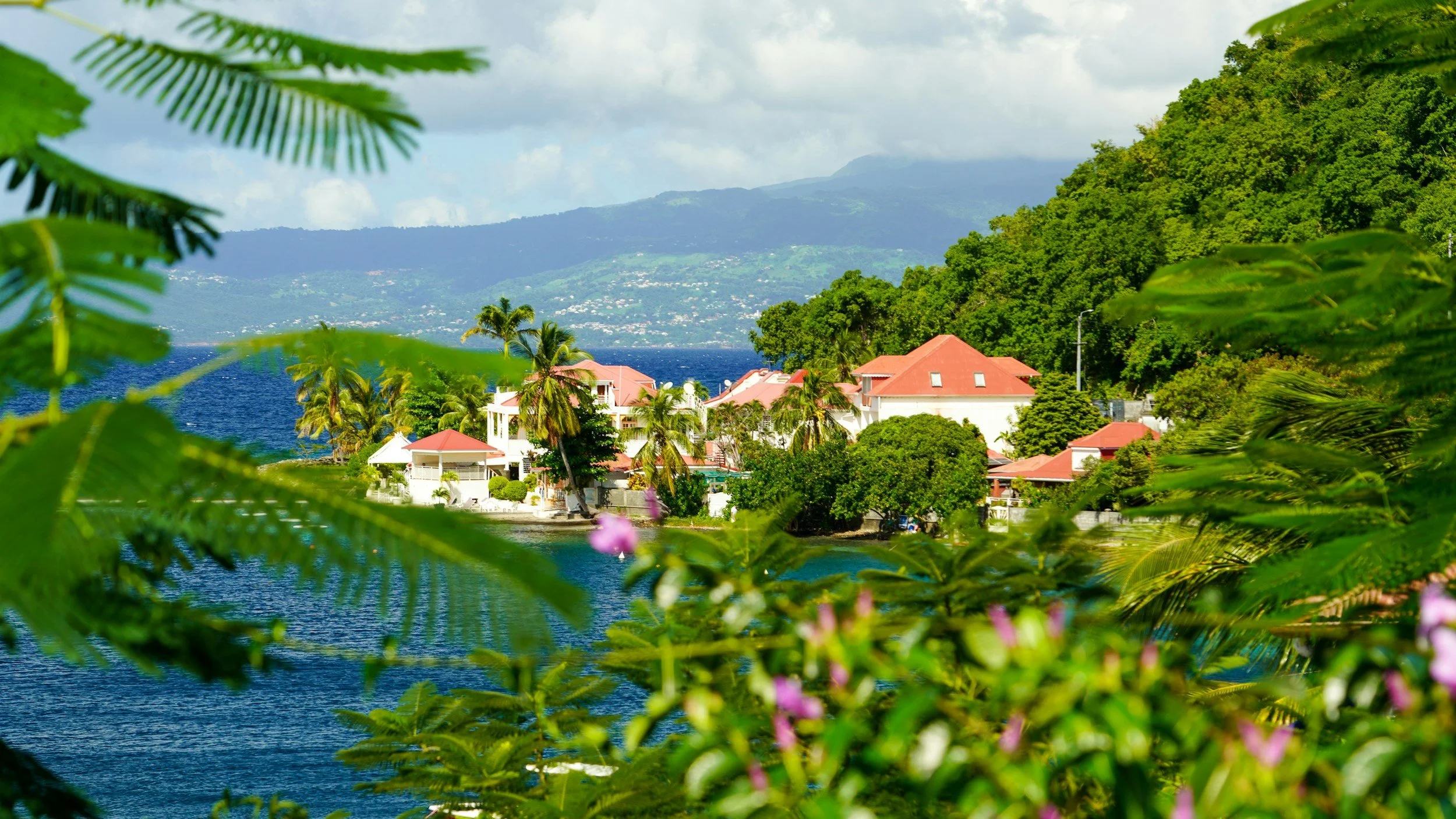
USVI Construction Costs Per Square Foot: What to Expect Before You Build
Building a home in the US Virgin Islands currently costs between $400 and $700+ per square foot, depending on site conditions, structural approach, finish level, and how well the project is managed before a single foundation is poured. That range is drawn from active projects as of Q1 2026 — not from published indices, which don't exist for this market, and not from contractor ballparks, which routinely understate the real number. If you're planning a build in the USVI and working from a figure below $400/sqft, you are not working from a realistic budget.
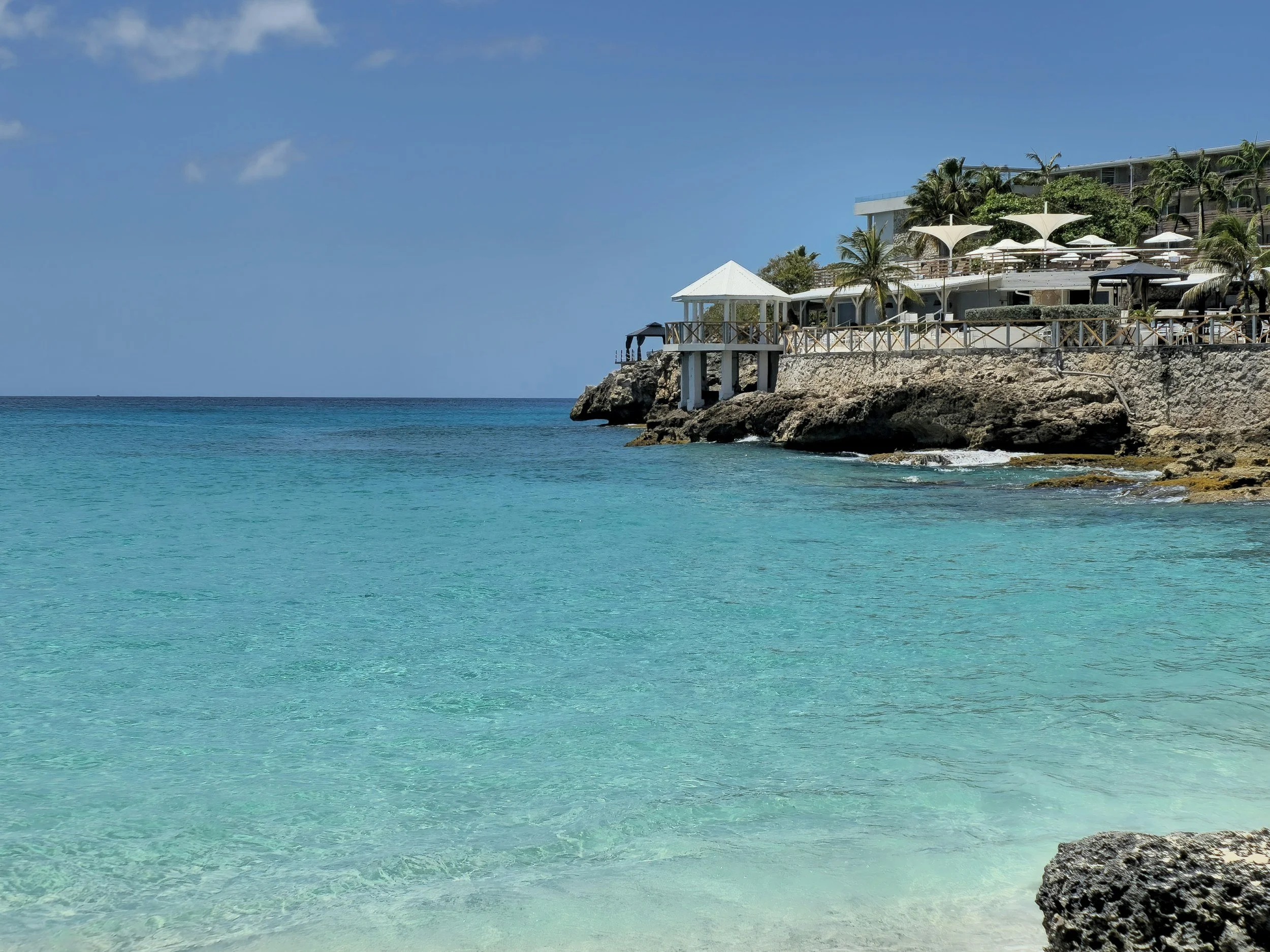
The USVI New Build Field Guide: everything you need to know before you build in the US Virgin Islands
Building a custom home in the US Virgin Islands means navigating a construction environment that is categorically different from anything on the mainland: imported materials, hurricane-grade engineering requirements, a two-track permitting system that can add years to your timeline, and a terrain that makes site selection one of the most consequential decisions you'll make before a single drawing is produced.
Done right, a USVI build produces one of the most resilient, high-value residential assets in the Caribbean. Done without local knowledge, it produces cost overruns, permit delays, and buildings that underperform from day one. This guide covers the full process — land, permits, design, utilities, costs, and construction management — so you arrive at your first conversation with an architect knowing what you're actually getting into.

What to Expect From Your First Meeting With an Architect
Most people walk into their first meeting with an architect expecting to talk about design. Sketches, references, maybe a preliminary idea of what the house could look like. That's not what this meeting is. Understanding what it actually is — and what both parties are doing in the room — will make you a better client from day one.

The Two Mistakes First-Time Residential Developers Make (And Why They Have the Same Fix)
Most first-time residential developers don't fail because their idea was bad. The site was real, the numbers looked plausible, the design was solid. They fail — or stall, or quietly walk away — because of two specific misunderstandings that show up at the beginning of almost every first development. The good news is they have the same fix.
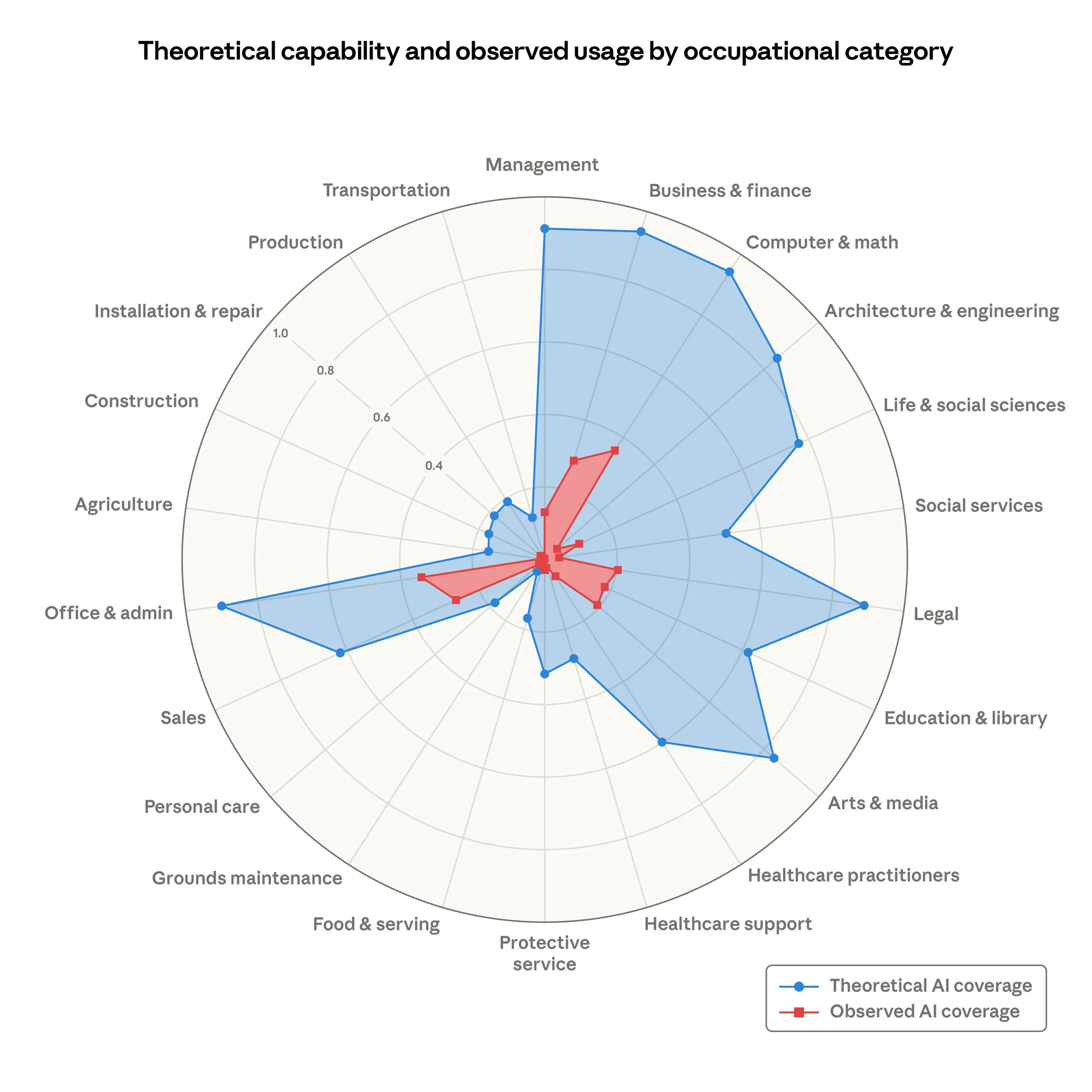
The Anthropic Report, the LinkedIn Feed, and What AI Actually Does in Architecture Right Now
There is an image that has been circulating on LinkedIn for a few weeks. You have probably seen it. It comes from Anthropic's Economic Index report, a study on AI's impact across professions, and it places architecture near the top of fields most exposed to automation. Every time it surfaces, it is posted by someone with "AI strategist" or "future of work" in their bio. The comments section fills quickly, mostly with agreement.
That consensus deserves some examination.
What Does an Architect Actually Do on a Residential Project?
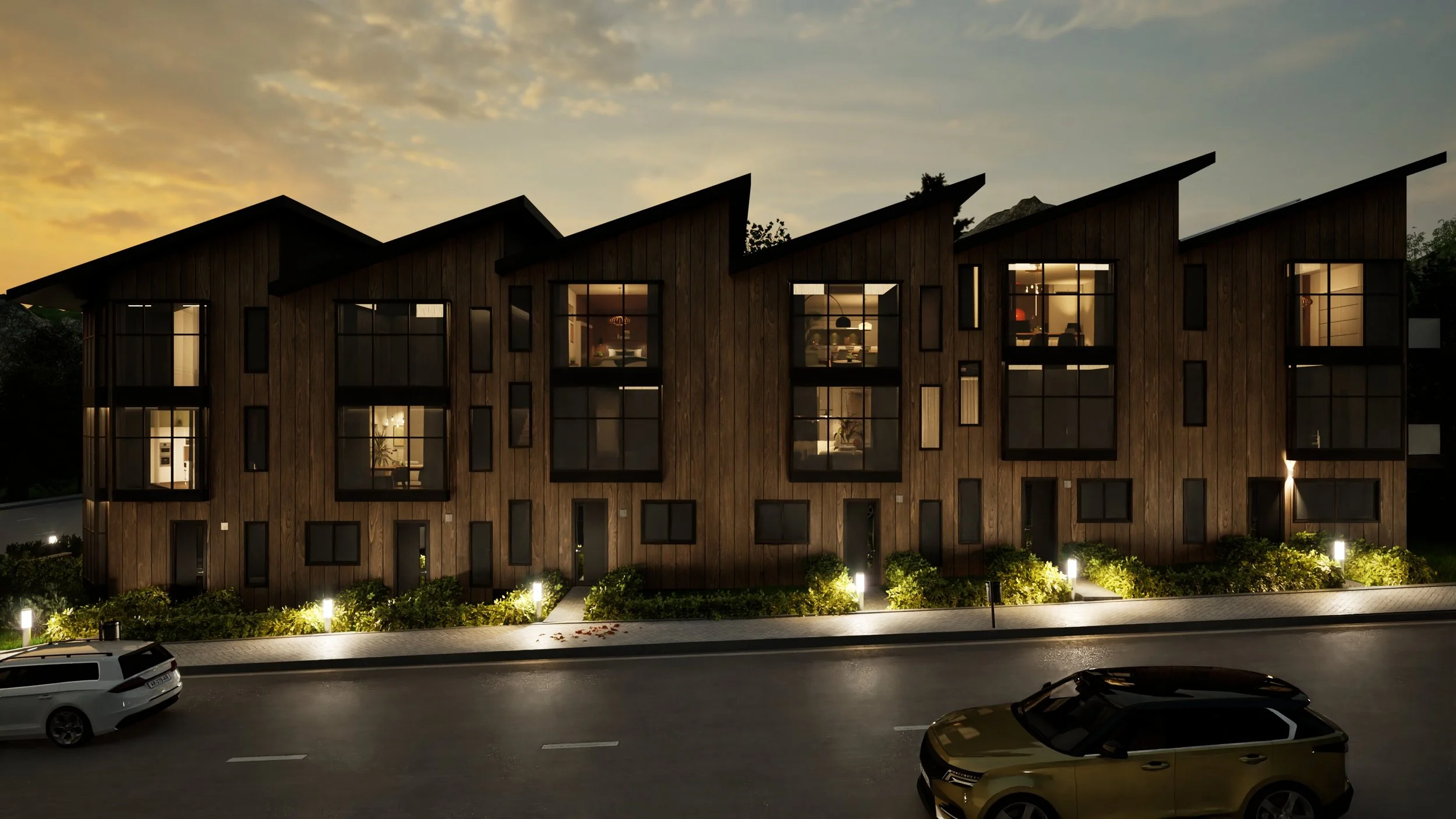
On a residential project, an architect is the single professional responsible for translating what you want to build into something that can actually be built — and for holding that responsibility across every stage of the process. That role unfolds across six phases: pre-design, schematic design, design development, construction documents, permitting, and construction administration.
The phases are largely consistent. What varies is how many of them a given architect is contracted to cover. Full-service means all six. Partial engagement — design only, or permit drawings only — is common and legitimate, depending on project complexity and client need. The mistake is not knowing which you've hired for, because the phases are interdependent, and the gaps between them are where residential projects most often go wrong.
How Your Construction Budget Is Set — and Protected — Through Design
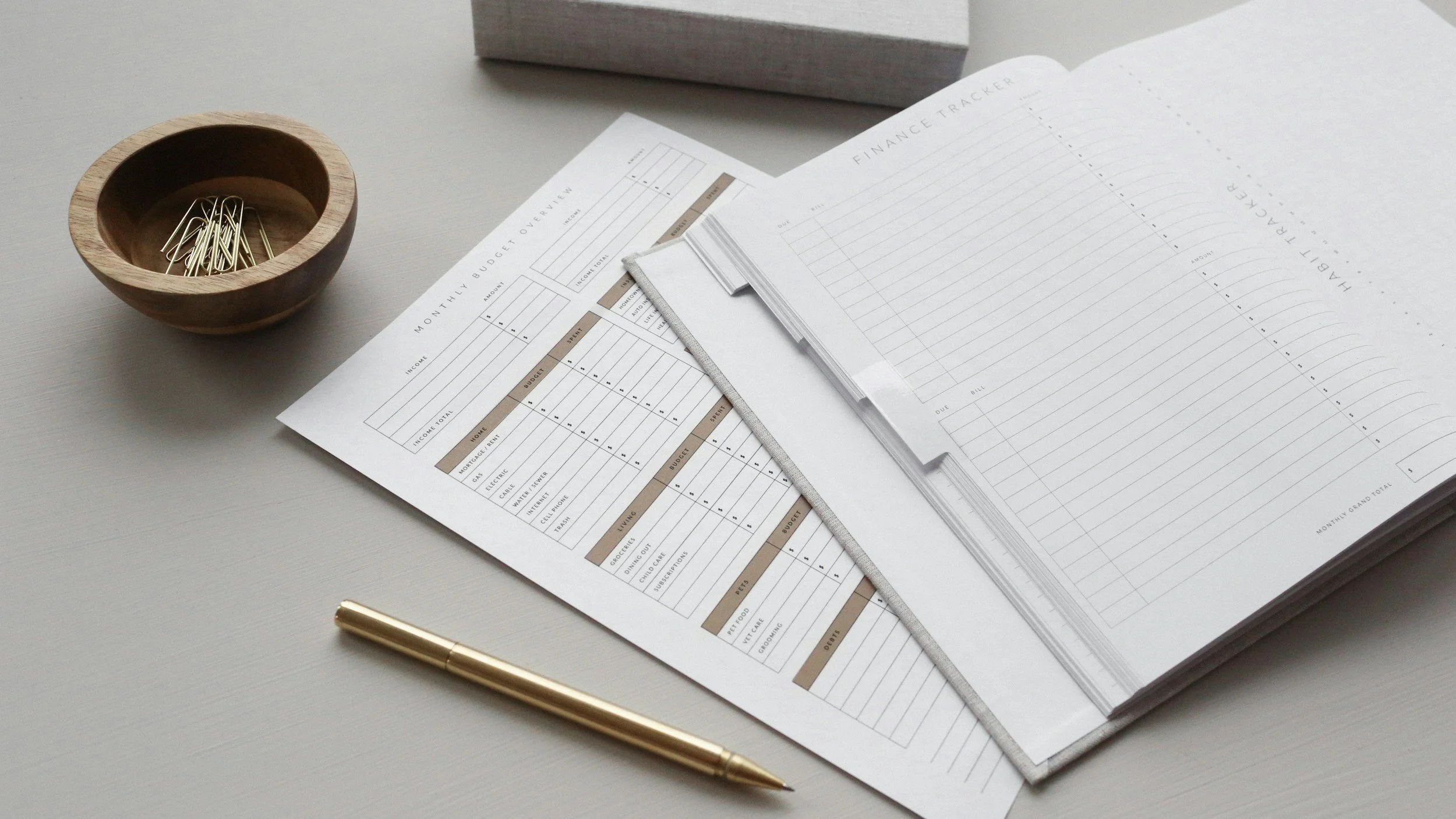
Budget conversations in residential architecture tend to follow a predictable pattern. A client arrives with a number in mind, hands it to the architect, and expects it to survive contact with the contractor. It rarely does — not because contractors are unpredictable, but because the number was never properly defined in the first place.
Budget control isn't a checkpoint at the end of design. It's a discipline embedded in every phase of it, shaped progressively as the project moves from concept to construction. Here's how that works in practice.
Slope, Setbacks, and FAR: The Site Constraints That Decide Your Project Before You Do
Zoning is not a formality you hand off to a consultant after you've bought the land. It is the first design decision made on your project — and it was made without you, years or decades before you arrived. By the time you're standing on a lot imagining what you'll build, the zoning code has already determined how much of it you can cover, how high you can go, how far you must sit from every boundary, and — if the site has any slope to it — how much of your budget disappears into the ground before a single wall goes up.
Most first-time developers and investors don't discover this until they're mid-process. This article is the earlier conversation.
Square Footage Tells You How Big a Home Is. It Tells You Nothing Else.
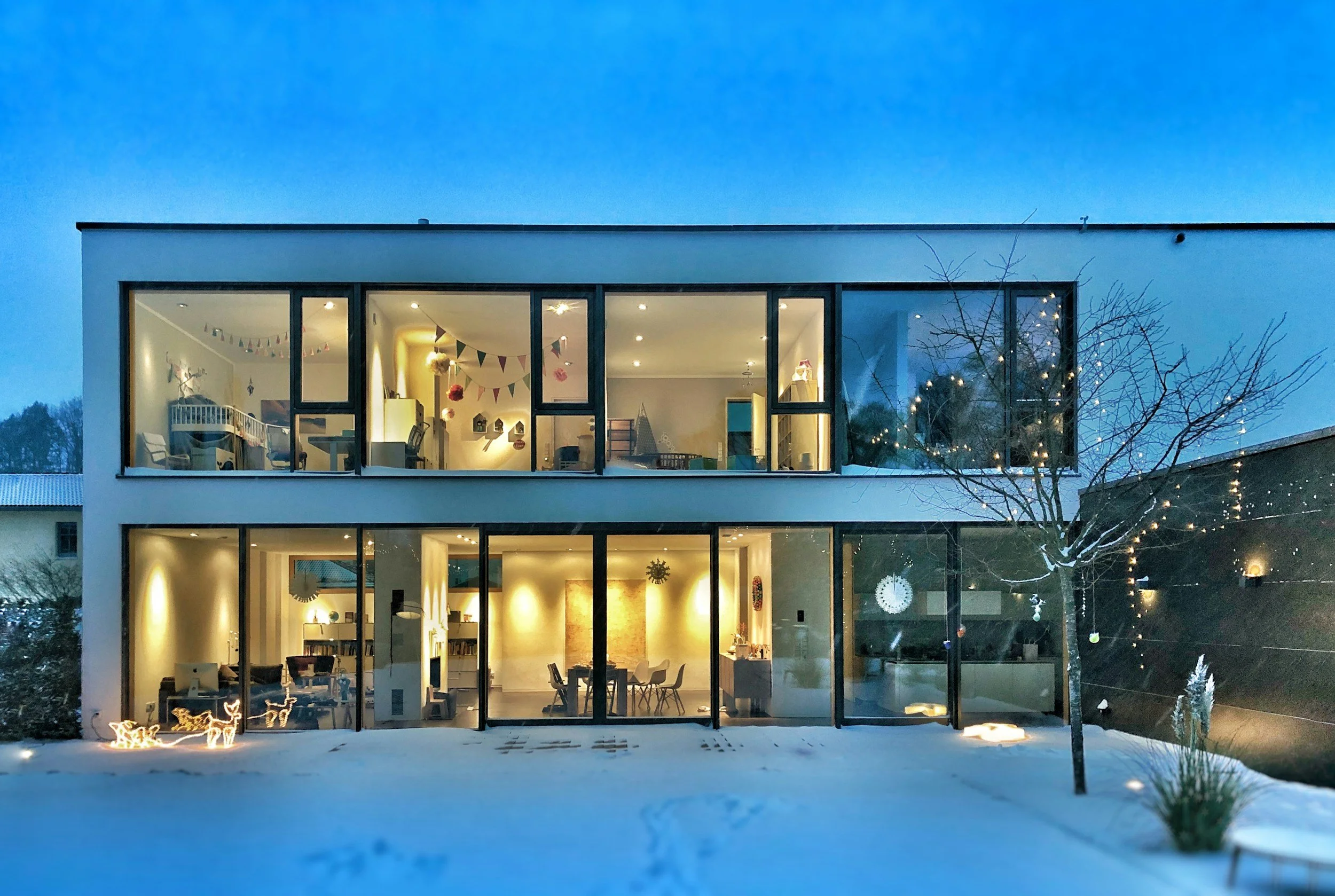
Open any property listing — residential, custom build, or otherwise — and the first number you see is square footage. Sometimes it's the only number that gets any real emphasis. Bedrooms, bathrooms, and then: 2,400 sq ft, as if that settles it. As if knowing how much floor area a home contains tells you anything meaningful about how it feels to live there.
It doesn't. And if you're planning a custom build or a significant renovation, treating square footage as a proxy for quality is one of the more expensive assumptions you can make.
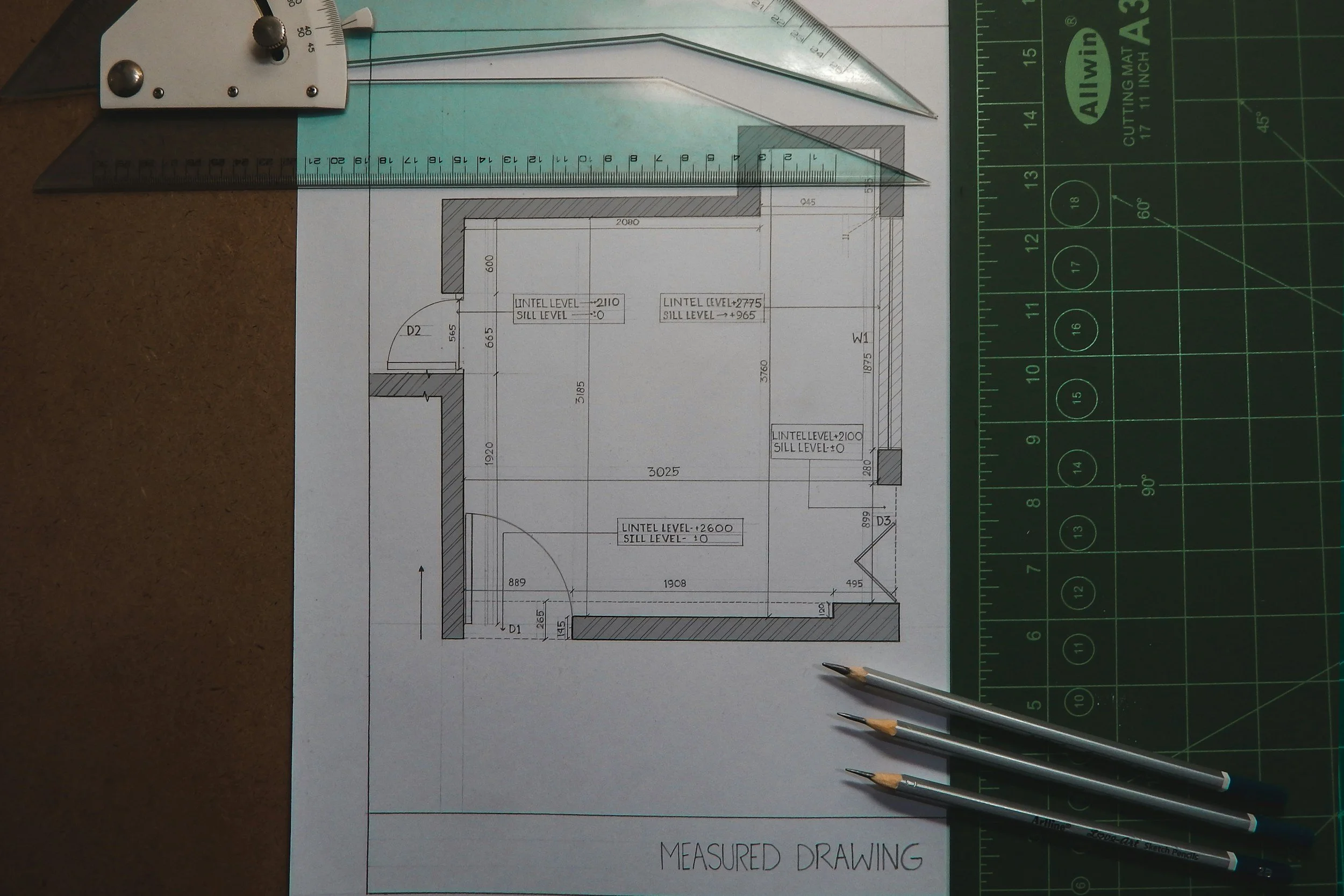
How We Cut the Friction From Custom Home Design — Without Cutting the Quality
Custom home design has a reputation. It takes too long. It costs more than expected. At some point, the client — the person the project is supposed to be for — starts to feel like a peripheral figure in their own process. Meetings that produce more meetings. Weeks that pass with little to show. A vague sense that everyone is busy, but the project isn't really moving.
Most people assume this is just how it goes. It isn't.
The friction that defines so many residential projects isn't an unavoidable feature of serious design work. It's a structural inheritance — ways of working that made sense in a different era and have survived largely because the profession hasn't been in a hurry to replace them.
