
US Virgin Islands
What building on St. John, St. Thomas, and St. Croix actually involves — from land to permit to construction.
Featured
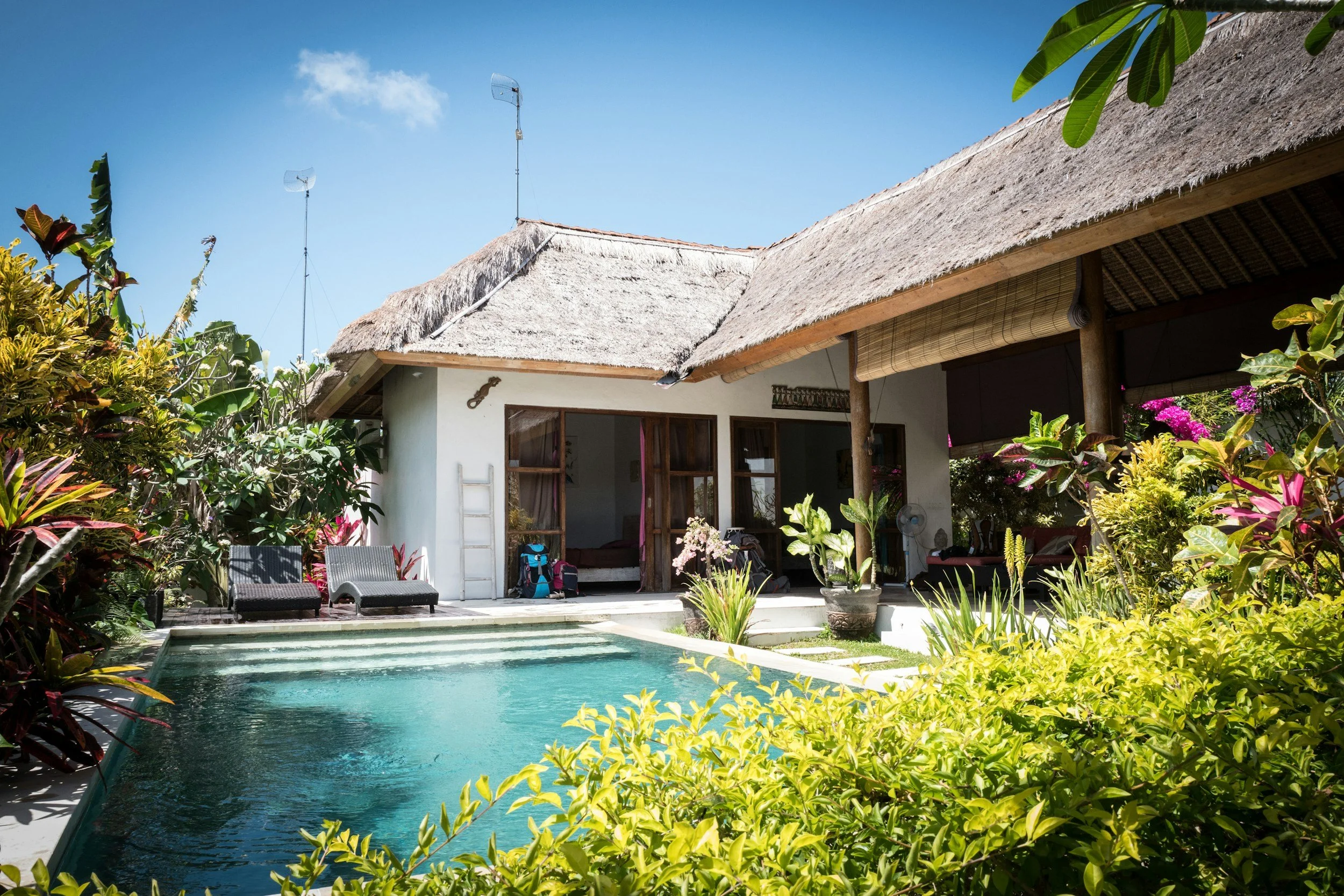
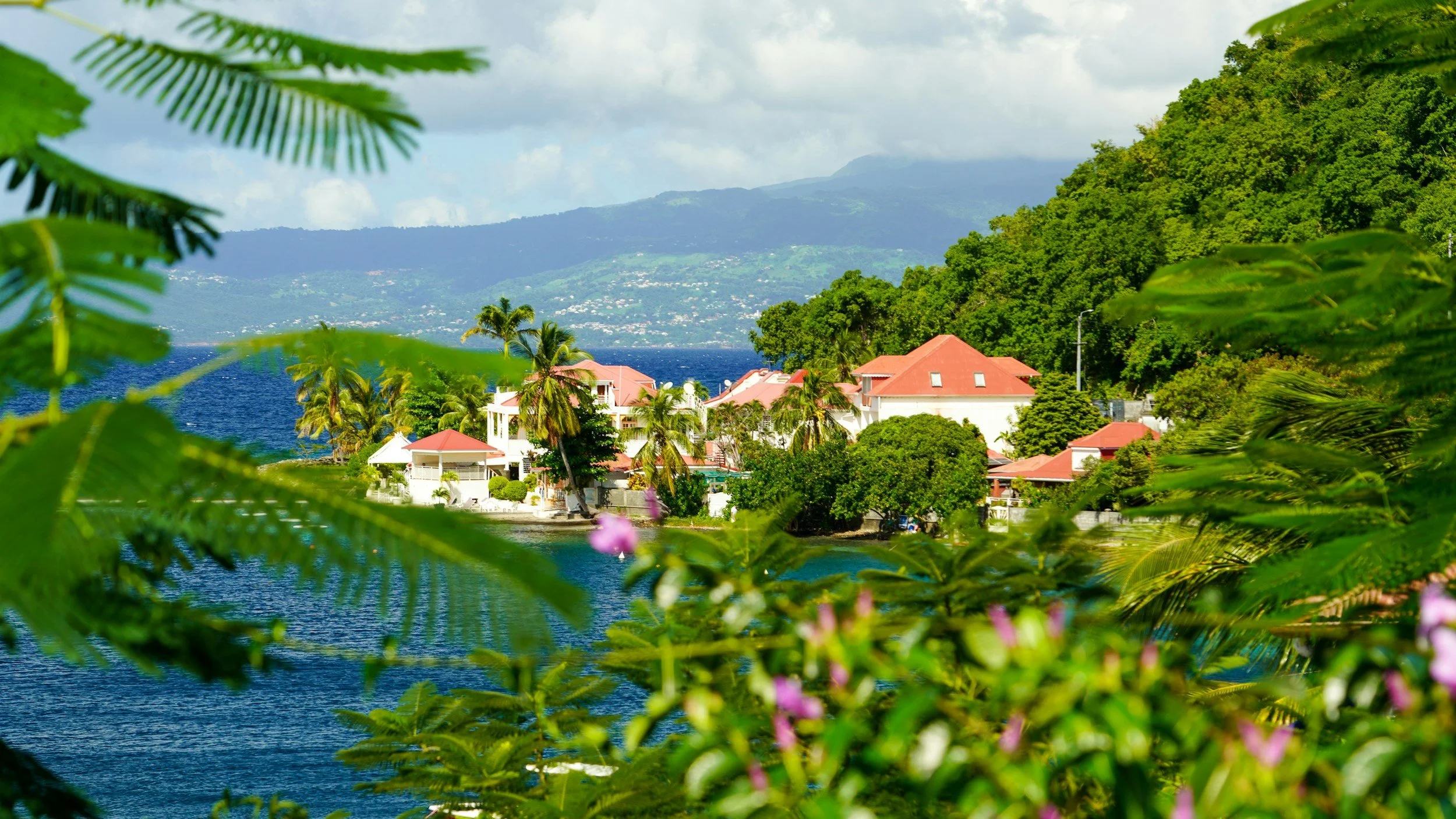
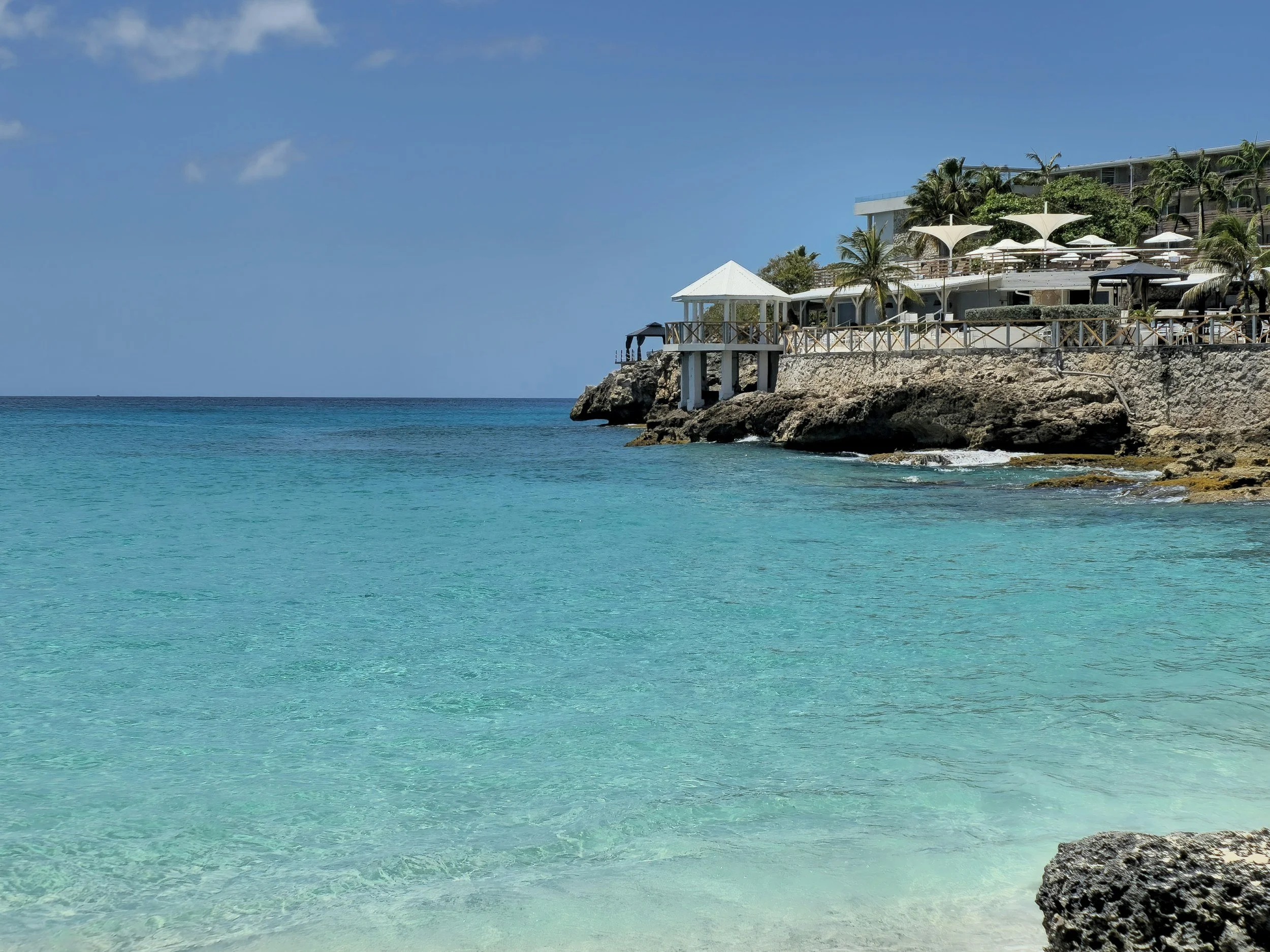

What lot coverage rules, utility capacity, and the permit path actually allow when adding a detached structure — for owners evaluating whether their property supports it.
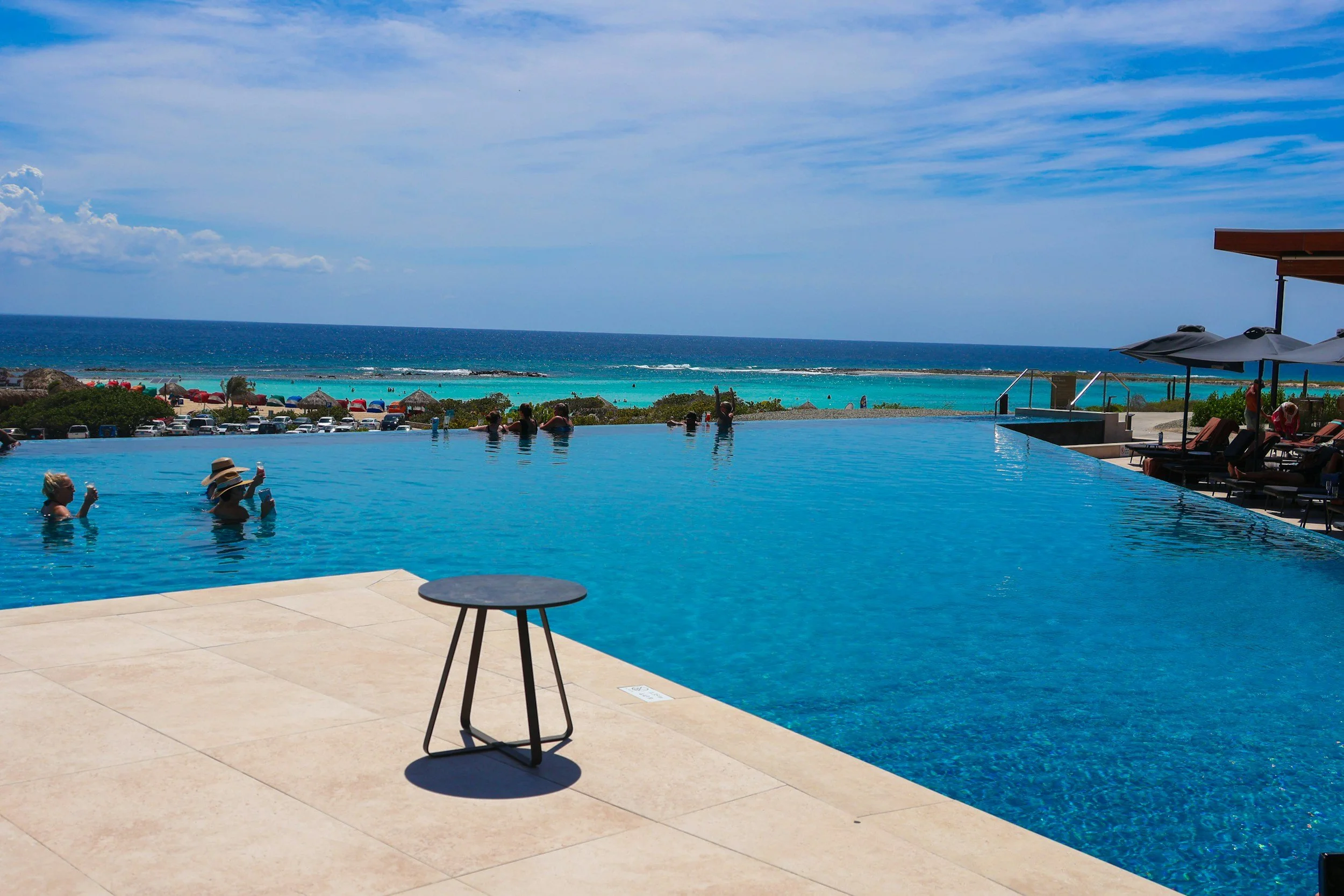
Coastal zone triggers, cistern math, site excavation realities, and honest cost ranges for a pool addition — before you commit to a design or a contractor.
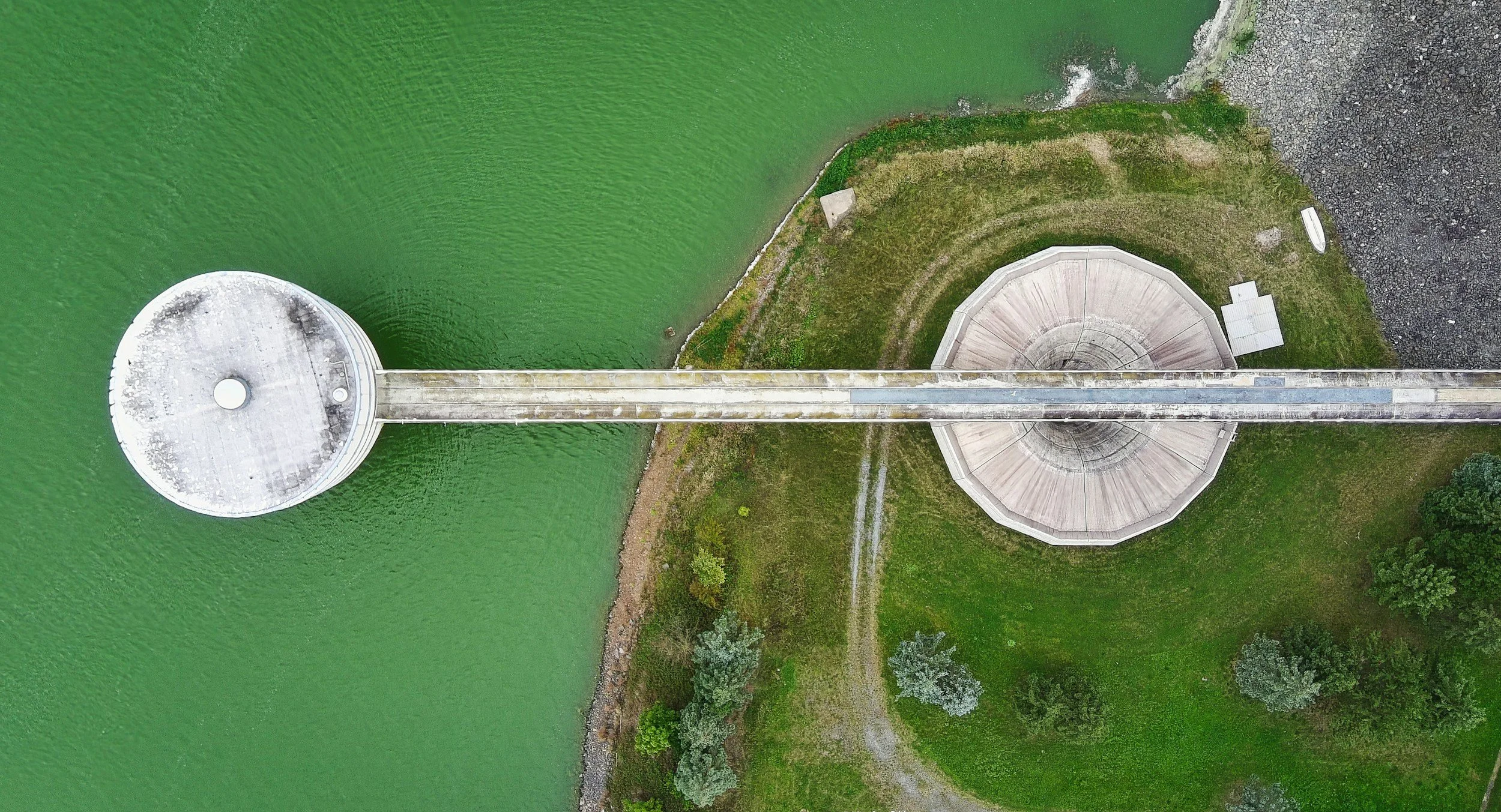
Every USVI home runs on rainwater. How cistern capacity is calculated, what WAPA can and can't be relied on for, and how water infrastructure shapes design decisions.
The permit path from submission to groundbreaking — timelines, agencies involved, common reasons projects get sent back, and what to have in place before you file.
Managing a USVI construction project from the mainland is achievable — if you have the right team, realistic timelines, and the right process in place before ground breaks.
Hiring an architect for a USVI project? Here's what local experience actually means — concrete construction, sloped sites, permits, and remote project management.
A practical comparison of the three islands for buyers deciding where to build — infrastructure, permit paths, cost differences, and which fits which project.
Designing a hurricane-resistant home in the USVI means engineering for extreme wind loads and seismic requirements. Here's what the code requires — and what it doesn't cover.
Building on St. John USVI takes 24–36 months—double the US mainland average. Here's why terrain, permitting, materials, and water infrastructure drive the timeline, and how to plan for it.
When CZM review applies, what triggers it, and how coastal zone requirements affect timeline, buildable envelope, and cost on a USVI project.
How you use your USVI villa determines how it should be designed. Learn how usage, configuration, and zoning decisions drive vacation rental performance.
Buying land on St. John, USVI? Check slope, CZM zoning, site access, and sun position before you make an offer. A practical guide for homeowners planning a build.
The permit path from submission to groundbreaking — timelines, agencies involved, common reasons projects get sent back, and what to have in place before you file.
The complete overview for anyone planning a custom home in the US Virgin Islands — islands, permits, timelines, cost drivers, and what the process actually demands from the start.
Building a home in the Caribbean looks straightforward from a distance. The construction environment — materials, systems, permits, terrain — operates by its own rules. This guide uses the US Virgin Islands as its primary lens.