What to Expect From Your First Meeting With an Architect
Most people walk into their first meeting with an architect expecting to talk about design. Sketches, references, maybe a preliminary idea of what the house could look like. That's not what this meeting is. Understanding what it actually is — and what both parties are doing in the room — will make you a better client from day one.
It Goes Both Ways
The first meeting with an architect is not a job interview where you sit across the table and decide whether to hire someone. It's a mutual evaluation. You're assessing the architect. The architect is assessing you. And both of you are assessing the project.
This is worth stating plainly because most clients don't walk in knowing it. They're focused on communicating their vision. The architect, meanwhile, is running a parallel process: Is this project buildable? Is the budget in the right universe? Does this client have the temperament to see a multi-year project through? Is there anything here that should give me pause?
None of this is adversarial. It's due diligence — on both sides. A good architect is not trying to sign every client who walks through the door. They're trying to identify the projects and people they can actually deliver for. That selectivity is not arrogance; it's professionalism.
Design Is Not on the Agenda — and Shouldn't Be
If an architect pulls out sketches in the first meeting, be skeptical. Good design cannot be produced on the spot. What gets offered in that context is a performance — a way of appearing generative before there's any real information to work with. It might be impressive. It won't be serious.
What a first meeting can and should accomplish is a clear read on feasibility. Can this project be built? Can it be built within the budget the client has in mind — even if that budget is still loosely defined? Are there site constraints, planning restrictions, or programmatic conflicts that need to be surfaced before anyone puts pen to paper?
These are the questions a competent architect is working through. The fact that they're not showing you renderings is not a lack of enthusiasm. It's a sign they understand that design without information is guesswork.
What to Bring to the First Meeting
You don't need to arrive with a fully formed brief. You do need to arrive with something.
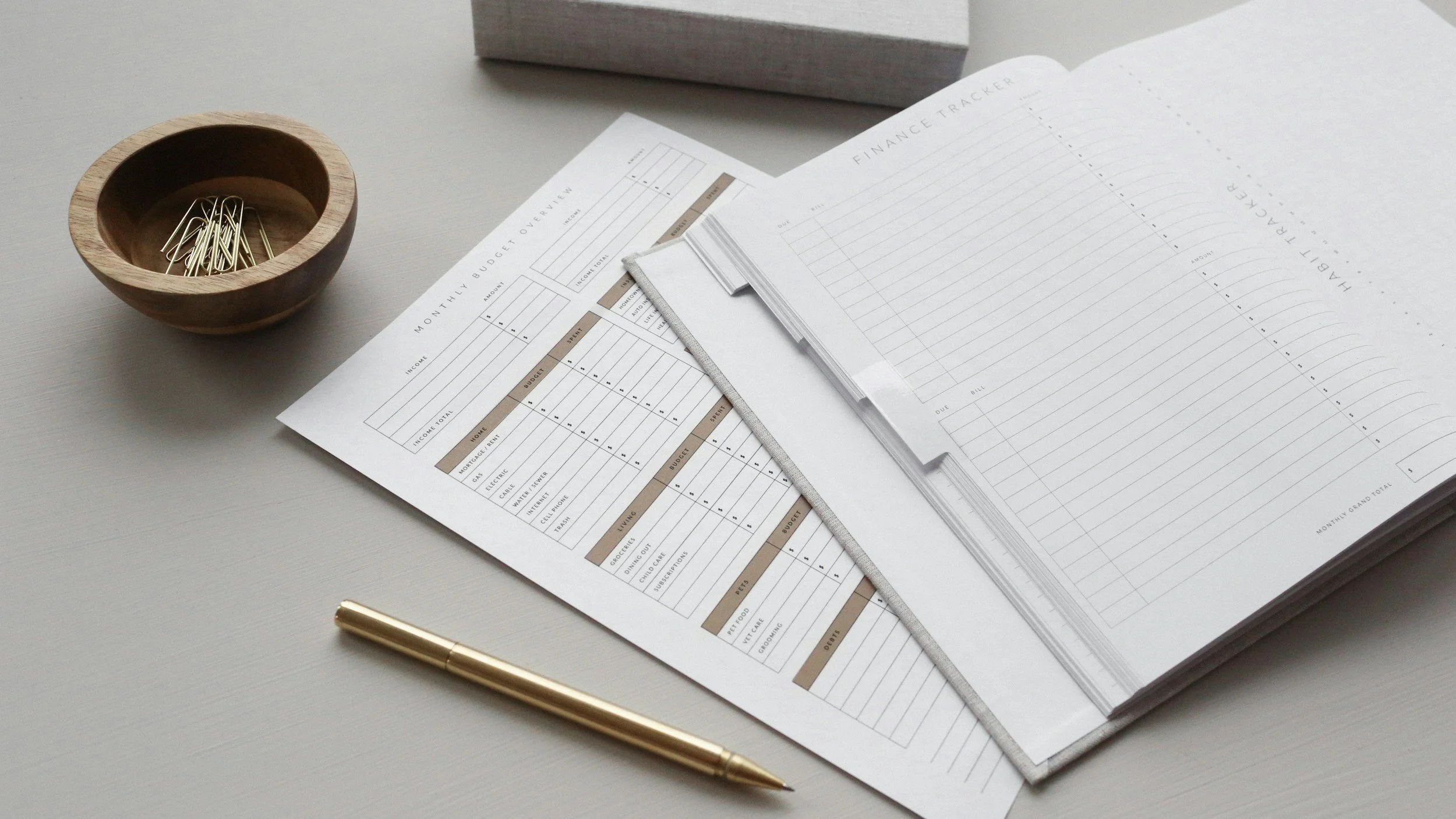
A construction budget. It doesn't need to be precise — at this stage, it rarely is. But it needs to exist. An architect cannot assess feasibility in a vacuum, and "we'll figure that out later" is not a number to work with. A range is fine. A rough figure is fine. Nothing is a problem.
A basic brief. What is the project? A primary residence, a vacation home, an ADU, a renovation? How many bedrooms, roughly? Any non-negotiables — a home office, a specific orientation, accessibility requirements? You're not writing a specification document. You're giving the architect enough to understand the scale and nature of what you're asking for.
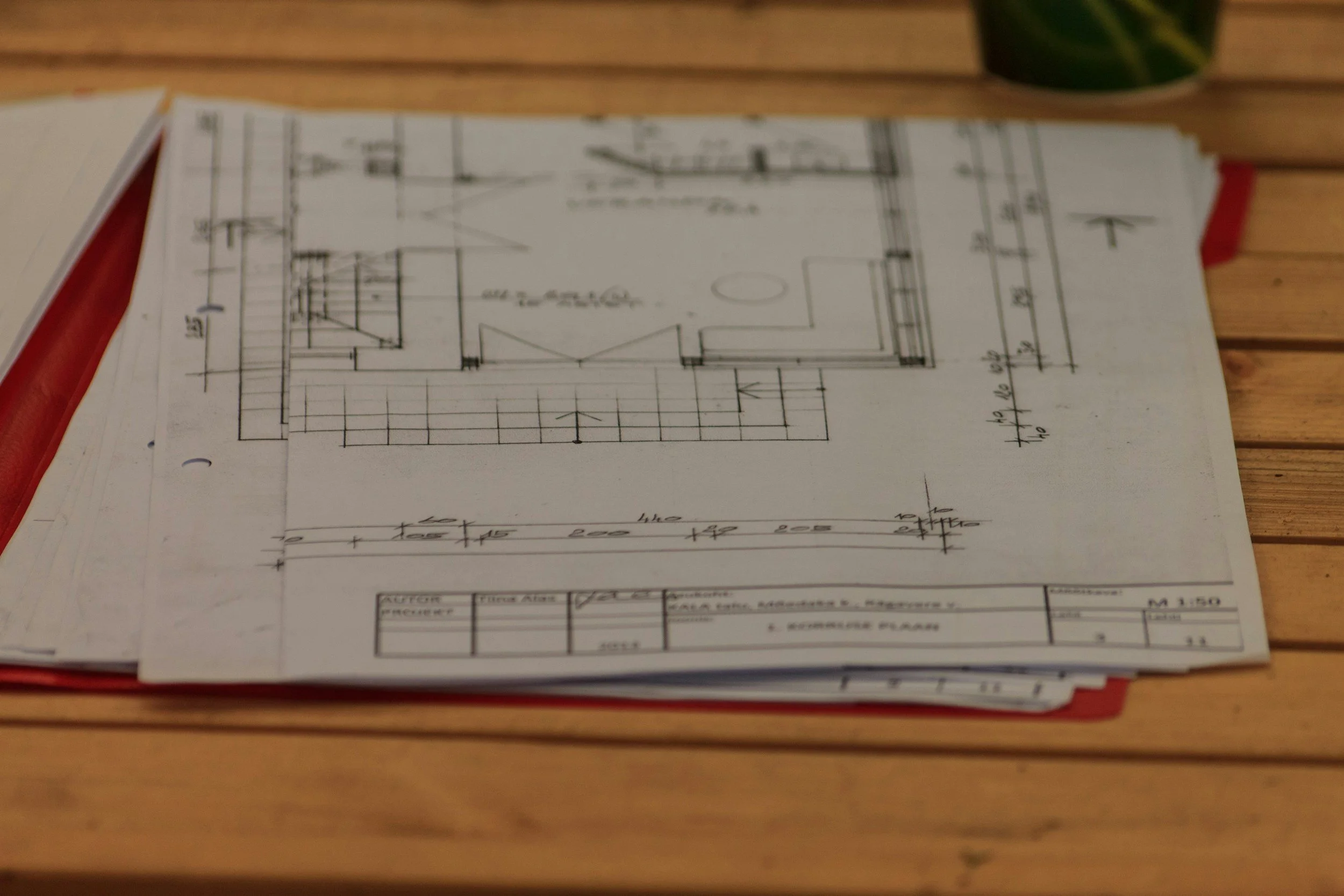
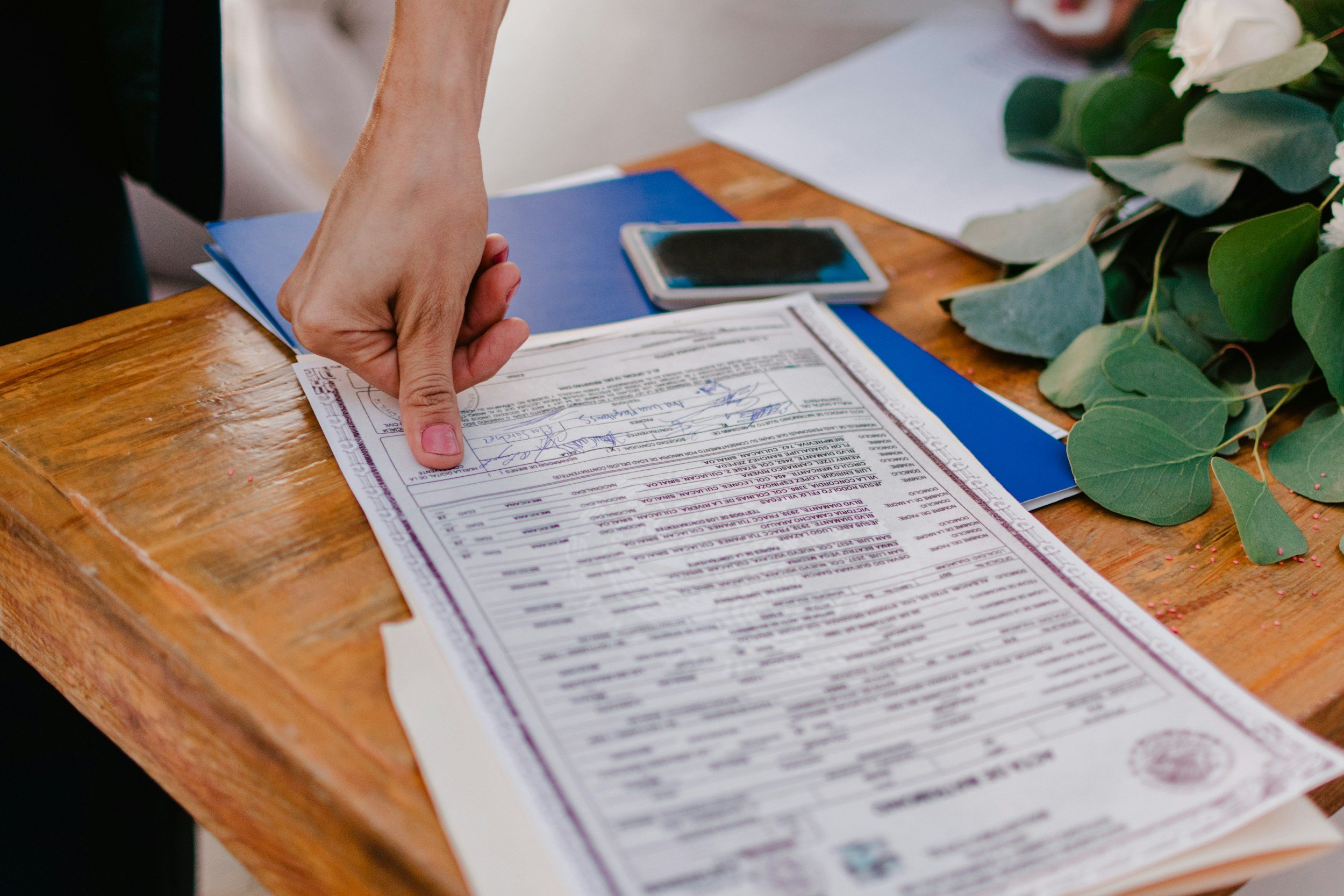
Supporting technical documents. For a new build, this means a site survey if you have one. For a renovation, existing floor plans or as-built drawings. These documents let the architect move from a general conversation to a specific one. Without them, the meeting stays abstract longer than it needs to.
Clients who arrive without any of these aren't disqualified — but they're making the architect's job harder, and they're getting less out of the meeting than they could.
Want to run through your brief and site before your first architect meeting? Office Hours is a free 45-minute session — bring what you have and we'll help you arrive prepared.
How to Read the Meeting as It Happens
A productive first meeting spends roughly 70% of its time on the project and 30% on the working relationship. If the balance tips too far toward either end, something is off.
Too much time on the project with no attention to how you'll work together produces a technically coherent conversation with no human foundation. Too much time on rapport-building and philosophy, with the actual project left vague, produces a pleasant meeting that doesn't move anything forward.
Watch the questions the architect asks. Good ones are specific: What's driving your timeline? Have you worked with an architect before? What does success look like for this project in five years? These questions are diagnostic — the architect is building a picture of what the project actually requires and what kind of client they'd be working with.
Questions that stay entirely general — "What's your vision?" with no follow-up, an over-reliance on mood boards and references without any grounding in budget or site — suggest an architect who is better at the soft sell than the hard work.
Red flags run in both directions. An architect who commits to a fee before understanding the scope, or who agrees with everything you say without pushback, is not giving you an honest read. A client who can't articulate any parameters, deflects every question about budget, or arrives with a list of demands and no flexibility — that's also useful information, for the architect.
How It Should End
A first meeting that ends with "we'll be in touch" is an inconclusive one. Not necessarily a failed one — but inconclusive. A productive first meeting ends with a clear, agreed-upon next step.
That next step might be: the client sends over a more detailed brief and the technical documents they didn't have on hand. The architect prepares a fee proposal for the design phases. A site visit is scheduled. A follow-up call is set for a specific date.
The form doesn't matter as much as the clarity. Both parties should leave knowing exactly what happens next and who is responsible for making it happen. If you're not sure what the next step is at the end of the meeting, ask. That question — so what happens from here? — is one of the most useful things you can say in the room.
The Meeting Sets the Tone for Everything After
The first meeting sets the tone for everything that follows. It's where both parties decide, consciously or not, whether this is a working relationship worth pursuing. Walking in knowing what the meeting is actually for — feasibility, mutual fit, and a clear path forward — puts you ahead of most clients before the conversation even starts.
If you're planning a custom build or renovation and want a focused conversation before you commit to anything, Office Hours is a free 45-minute session. No brief required, no obligation.