Journal
A practitioner's perspective on custom builds in the US Virgin Islands and coastal Florida, renovations in Romania, and residential architecture more broadly — the design decisions, market realities, and project knowledge that don't usually get written down. Published weekly.
Featured articles:
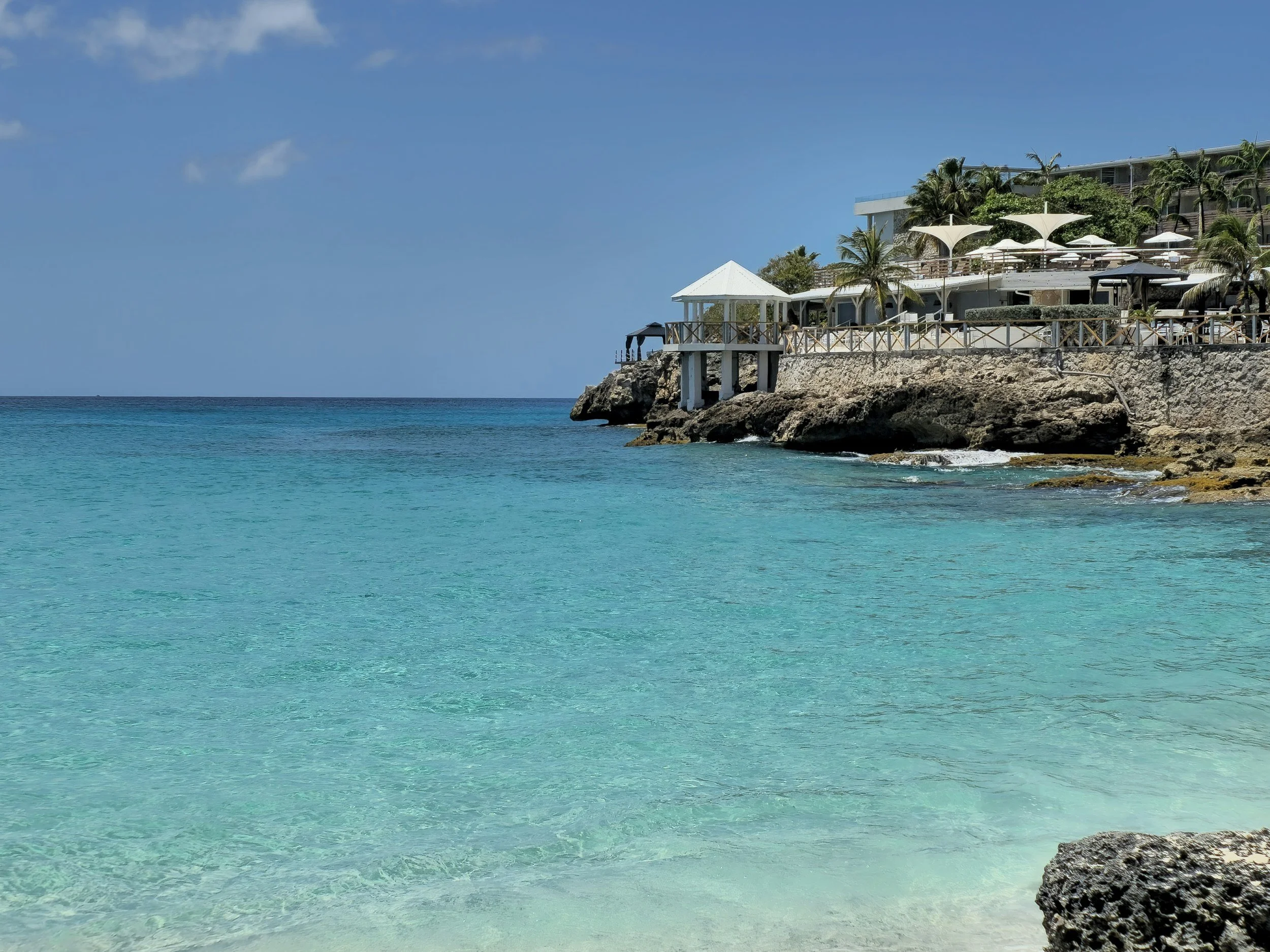
The USVI New Build Field Guide
The complete overview for anyone planning a custom home in the US Virgin Islands — islands, permits, timelines, cost drivers, and what the process actually demands from the start.

USVI Construction Costs Per Square Foot
Honest cost ranges for a USVI build, what pushes numbers up, and what to pressure-test in a contractor quote before you commit.

What Does the USVI Permitting Process Actually Look Like?
The permit path from submission to groundbreaking — timelines, agencies involved, common reasons projects get sent back, and what to have in place before you file.

St. John vs. St. Thomas vs. St. Croix
A practical comparison of the three islands for buyers deciding where to build — infrastructure, permit paths, cost differences, and which fits which project.
Cisterns, WAPA, and Water in the USVI
Every USVI home runs on rainwater. How cistern capacity is calculated, what WAPA can and can't be relied on for, and how water infrastructure shapes design decisions.

What Is the USVI Coastal Zone Permit and Do You Need One?
When CZM review applies, what triggers it, and how coastal zone requirements affect timeline, buildable envelope, and cost on a USVI project.
Adding a Guest House in the USVI
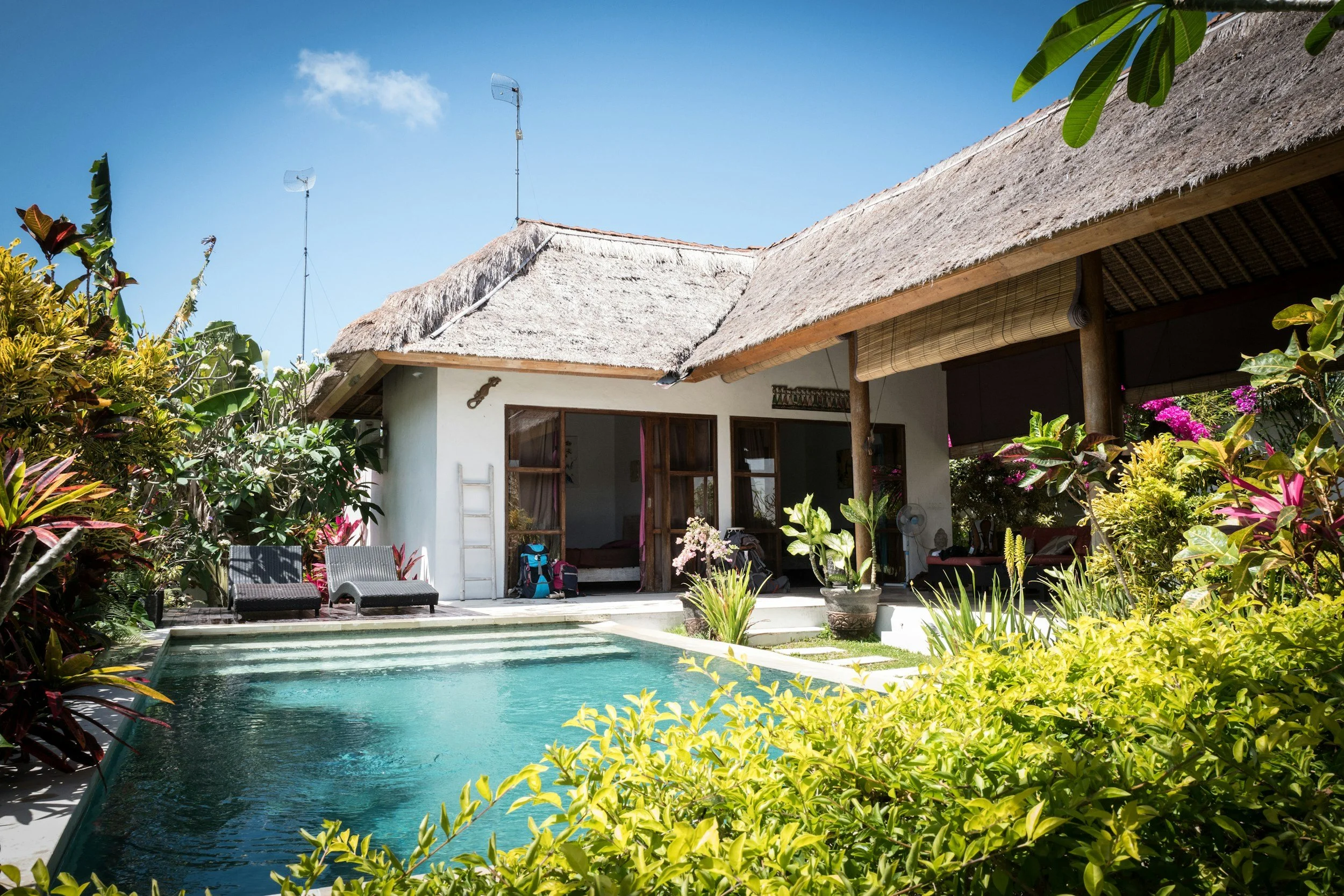
What lot coverage rules, utility capacity, and the permit path actually allow when adding a detached structure — for owners evaluating whether their property supports it.
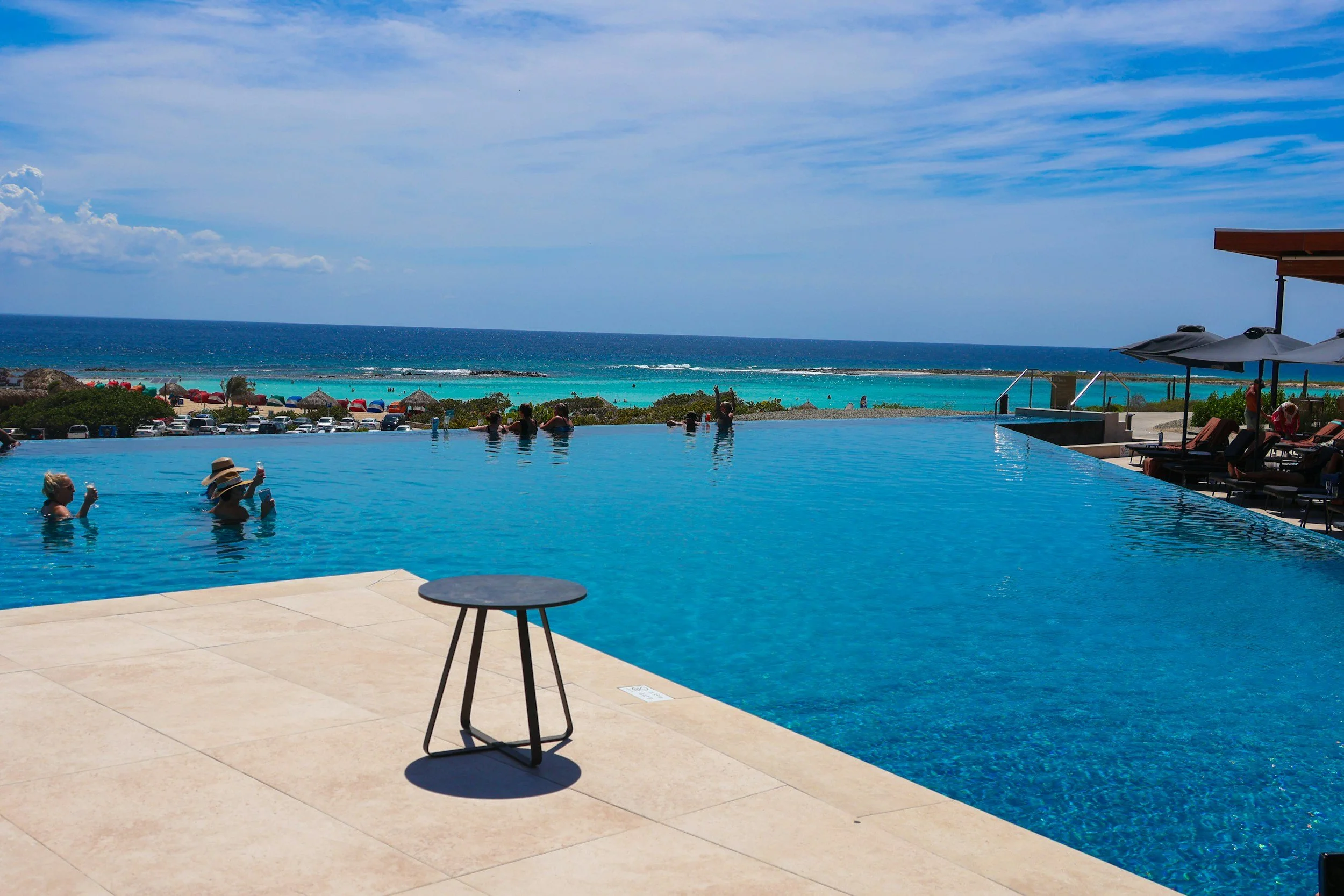
Adding a Pool to a USVI Property
Coastal zone triggers, cistern math, site excavation realities, and honest cost ranges for a pool addition — before you commit to a design or a contractor.

The Romania Apartment Field Guide
The complete framework for buying and renovating a Romanian apartment — building eras, structural realities, permit path, budget structure, and what to check before you commit.

Renovating in Romania: What Budget Estimates Always Miss
The costs contractors leave out of their initial quotes, why Romanian renovation budgets tend to overrun, and how to build a realistic envelope before you start.
Contents:
What building on St. John, St. Thomas, and St. Croix actually involves — from land to permit to construction.
Building on the Florida coast — from flood zone to permit to construction.
Renovation in Romania — what the building, the process, and the design actually involve.
How we work with clients across time zones, jurisdictions, and project types.
What building from the ground up actually involves — structure, permits, cost, decisions.
What existing buildings require before, during, and after — structure, regulation, and cost.
Architecture, culture, and the ideas worth arguing about.
Latest articles:
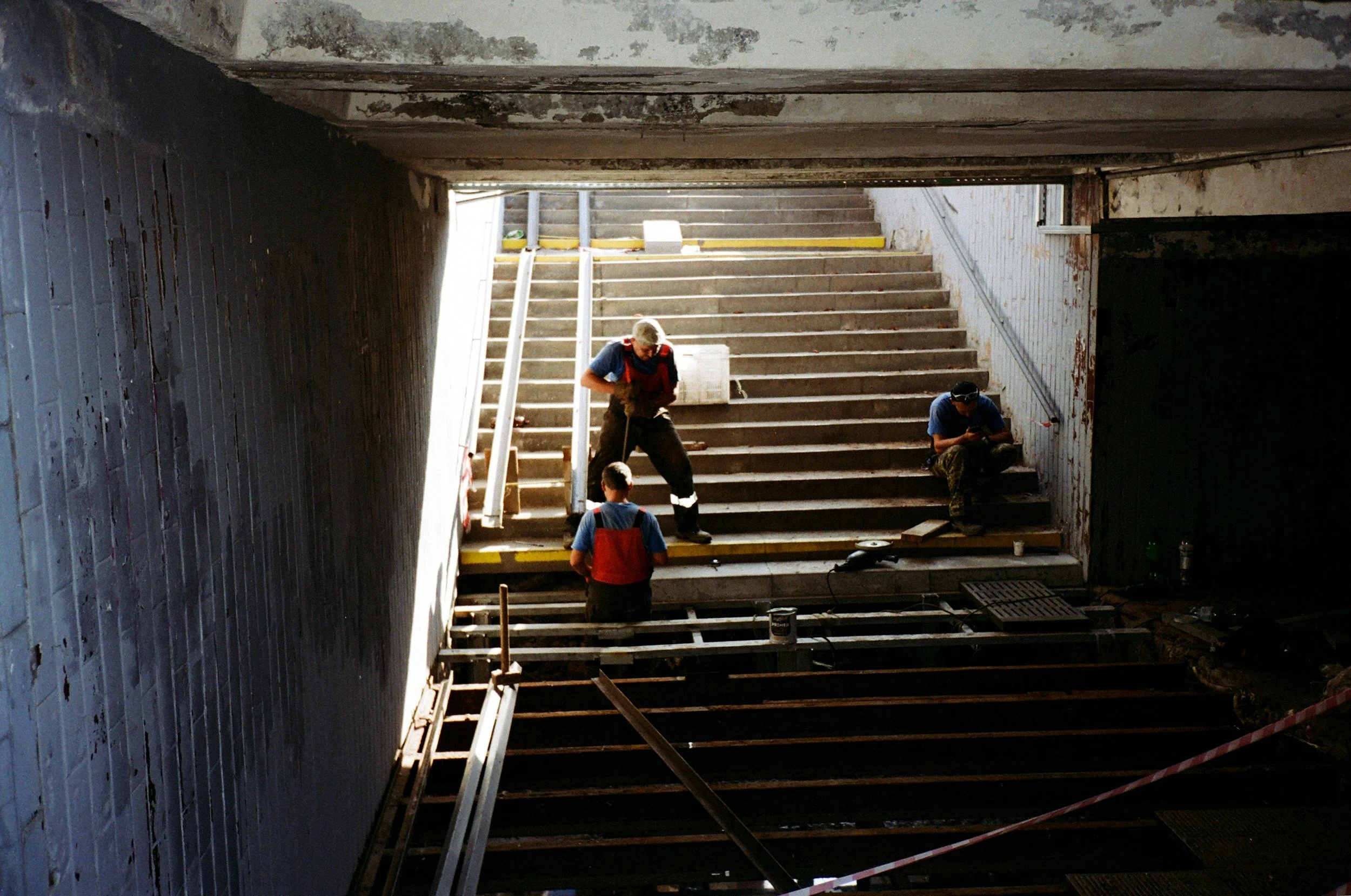
How to Phase a Renovation in Romania: When to Do Everything at Once — and When Not To
Phasing a renovation in Romania is a legitimate strategy — but only when the sequence is right. The decision to split works across two or more stages should be driven by budget, building condition, and whether the property will be occupied during construction — not by a preference for smaller invoices.
What destroys renovation budgets in Romania is not phasing itself, but inverting the sequence: finishing spaces before services are confirmed, installing services before structural conditions are resolved, or returning to closed walls because earlier decisions were incomplete. Done correctly, phasing is a cost management tool. Done incorrectly, it is a cost multiplier.

How to Work With an Architect on a Renovation in Romania: What You Need to Prepare
A renovation brief is the document that determines whether your architect can design something useful. It defines scope, encodes constraints, and gives the design process a fixed point to depart from. Most clients in Romania arrive at a first architect meeting without one — with a mood board, a rough budget figure they're reluctant to share, and a list of things they'd like the space to feel like.
That is not a brief. This article covers what a brief actually needs to contain, how to build one before you engage an architect, and what to expect from the collaboration once you do.

Renovating in Romania: What the Budget Estimates Always Miss
The costs contractors leave out of their initial quotes, why Romanian renovation budgets tend to overrun, and how to build a realistic envelope before you start.

Architect vs. Contractor for Your Romanian Renovation: What the Difference Actually Produces
An architect-led renovation and a contractor-managed renovation are not two versions of the same process. They produce different outcomes, carry different risks, and cost different amounts — not just in fees, but in what goes wrong, what gets missed, and what you're left with at handover.
If you're buying property in Romania and planning significant works, the question isn't whether you can renovate without an architect. It's whether the money you think you're saving is real.
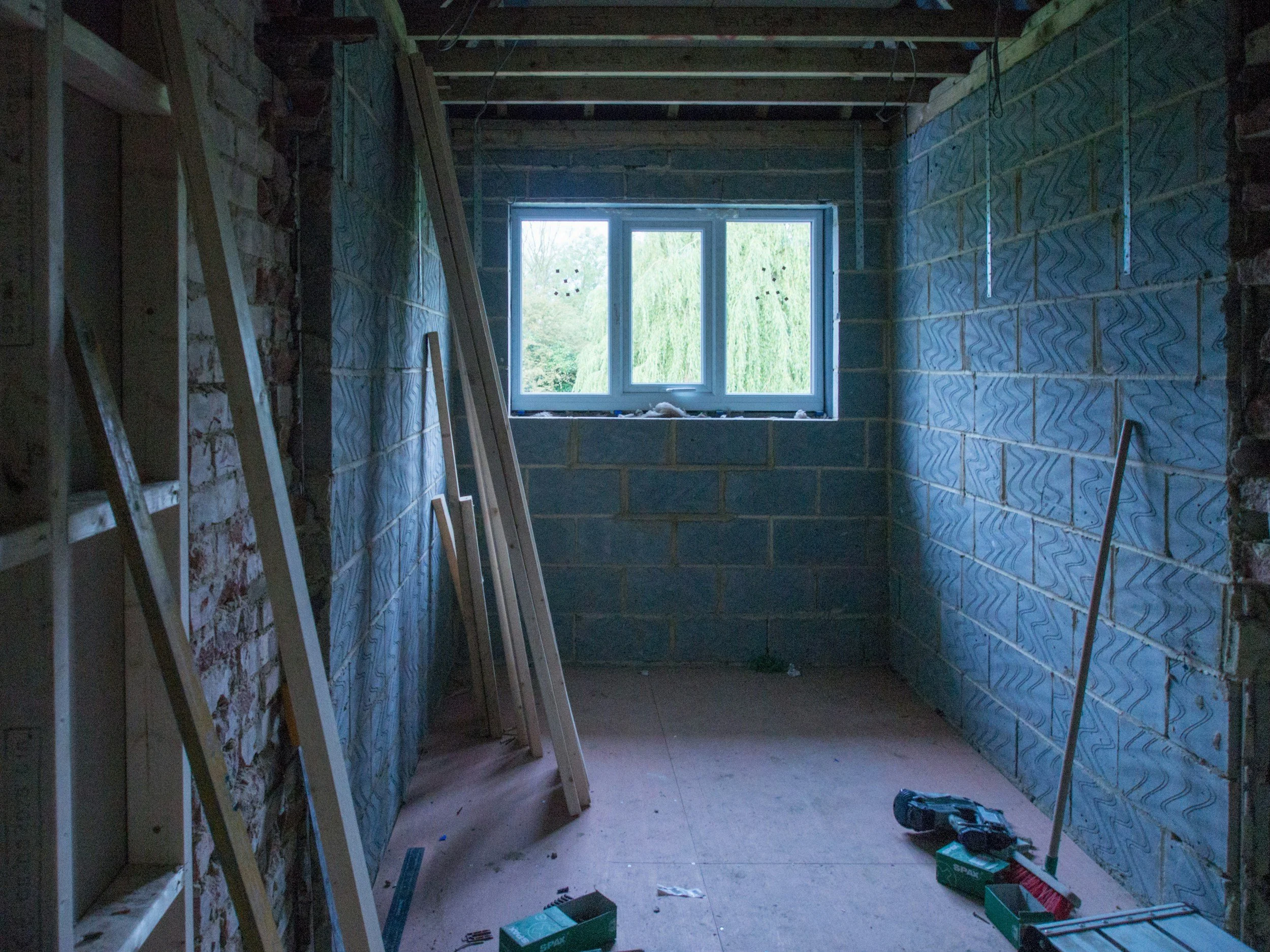
What Does a Well-Designed Renovation Actually Change in a Romanian Apartment?
A well-designed renovation changes the spatial logic of an apartment, not just its surface condition. In Romanian residential stock — whether a 1970s panel bloc, a 1990s developer build, or an interwar apartment in partial decay — the difference between an architect-led renovation and a contractor-managed one is not finish quality or budget. It is whether anyone understands the big picture while the decisions are being made.
An architect-led renovation produces a resolved floor plan: circulation that works, proportions that feel deliberate, light that reaches the parts of the apartment where people actually spend time. A contractor-managed renovation produces a clean apartment. Those are not the same thing, and the difference is legible in the space long after the work is complete.
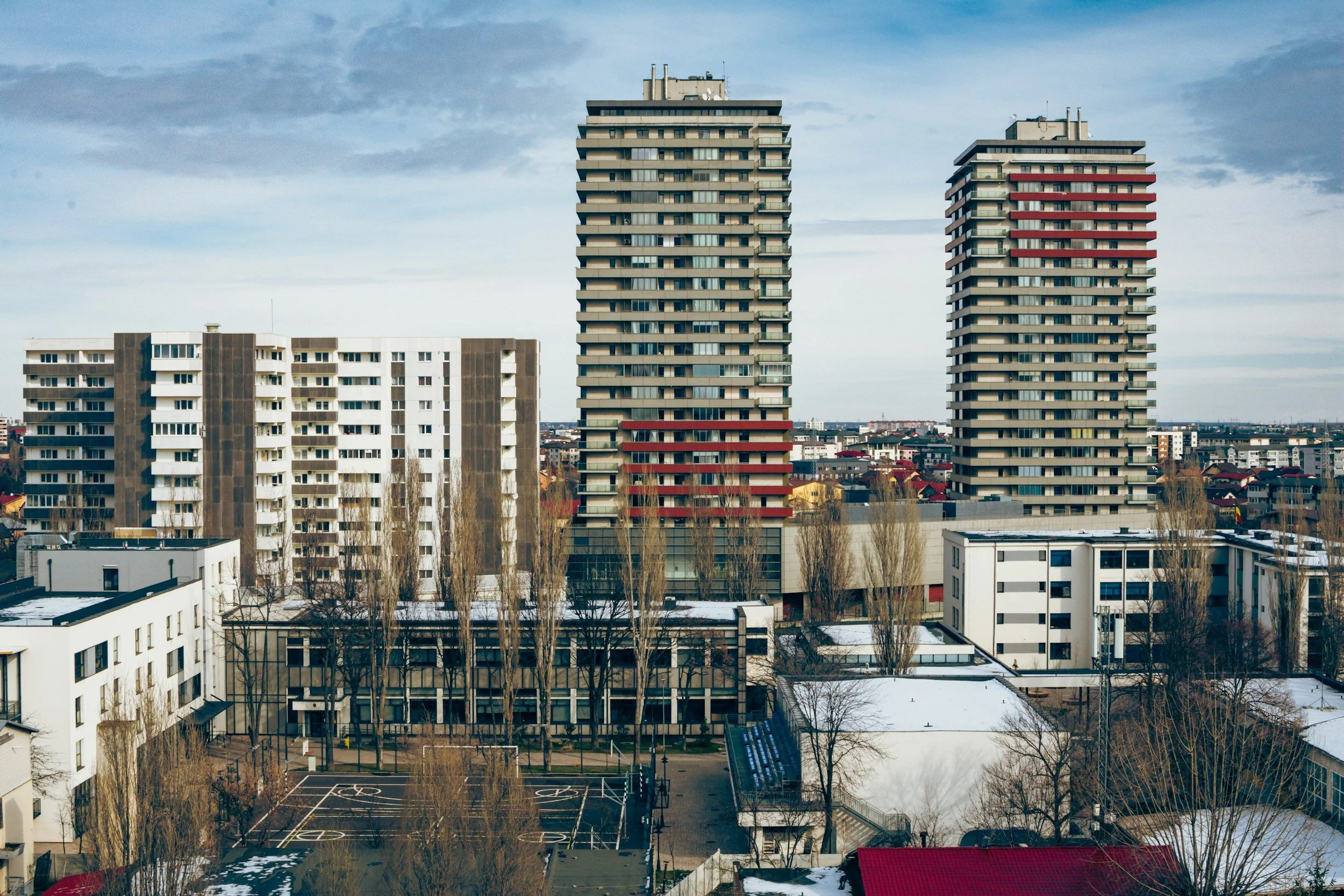
Renovating a Post-Communist Apartment in Romania: What a Designed Renovation Actually Fixes
Depending on when it was built, a post-2000 developer-finish apartment in Romania may arrive with a set of compounding issues that a surface renovation will not resolve, such as being delivered with basic tiling, builder-grade joinery, and systems sized to code minimums — functional enough to occupy, but not built to support how people actually live.
What it does not arrive with is a resolved layout, a coherent thermal envelope, or infrastructure adequate for a contemporary residential fit-out. A designed renovation addresses all three. A contractor refresh addresses none of them — it applies new finishes to the same underlying conditions and calls it done.
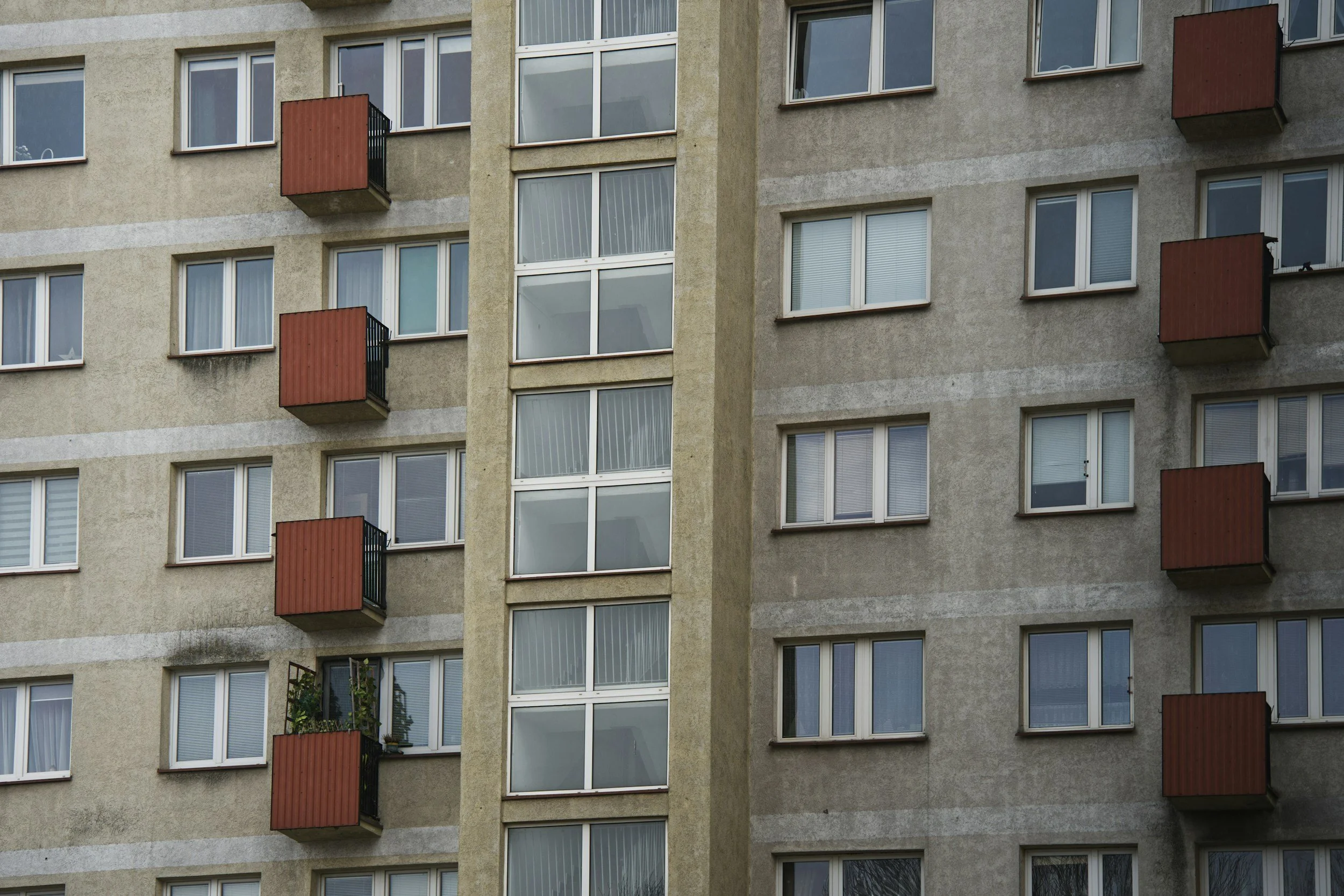
How Do You Renovate a Communist-Era Home in Romania?
Communist-era residential stock in Romania spans three distinct building types — panel blocs, monolith apartments, and state villas — and each one has a different structural logic, a different spatial ceiling, and a different set of renovation rules. The building type you own is the first diagnostic, not the finish condition.
Before you call a contractor or open a floor plan in SketchUp, you need to know which system you're working with — because the system determines what is recoverable, what is fixed, and what will cost you significantly more than the estimate if you get it wrong.