
Journal
A practitioner's perspective on custom builds in the US Virgin Islands and coastal Florida, renovations in Romania, and residential architecture more broadly — the design decisions, market realities, and project knowledge that don't usually get written down. Published weekly.
Featured articles:
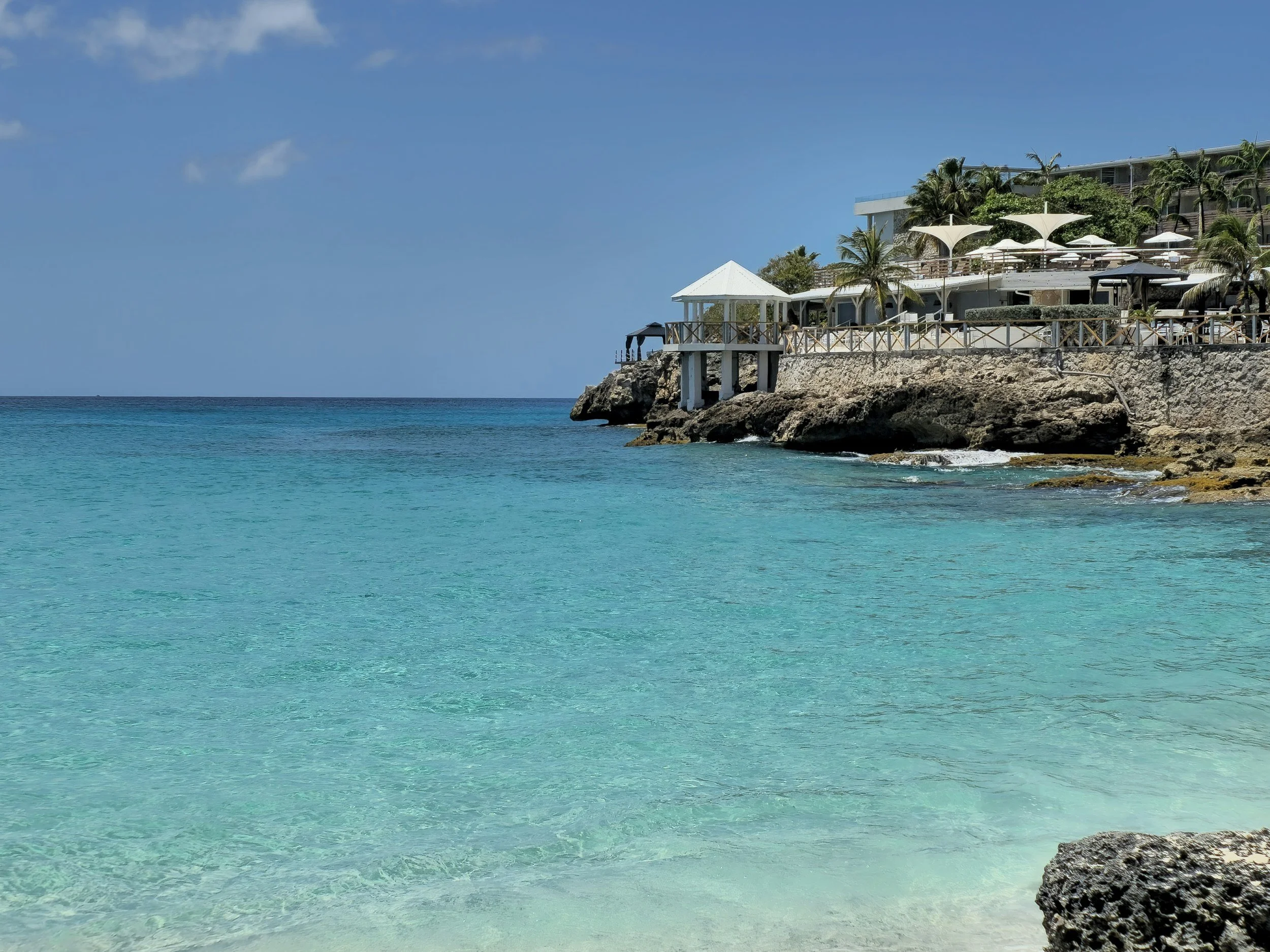
The USVI New Build Field Guide
The complete overview for anyone planning a custom home in the US Virgin Islands — islands, permits, timelines, cost drivers, and what the process actually demands from the start.

USVI Construction Costs Per Square Foot
Honest cost ranges for a USVI build, what pushes numbers up, and what to pressure-test in a contractor quote before you commit.

What Does the USVI Permitting Process Actually Look Like?
The permit path from submission to groundbreaking — timelines, agencies involved, common reasons projects get sent back, and what to have in place before you file.

St. John vs. St. Thomas vs. St. Croix
A practical comparison of the three islands for buyers deciding where to build — infrastructure, permit paths, cost differences, and which fits which project.
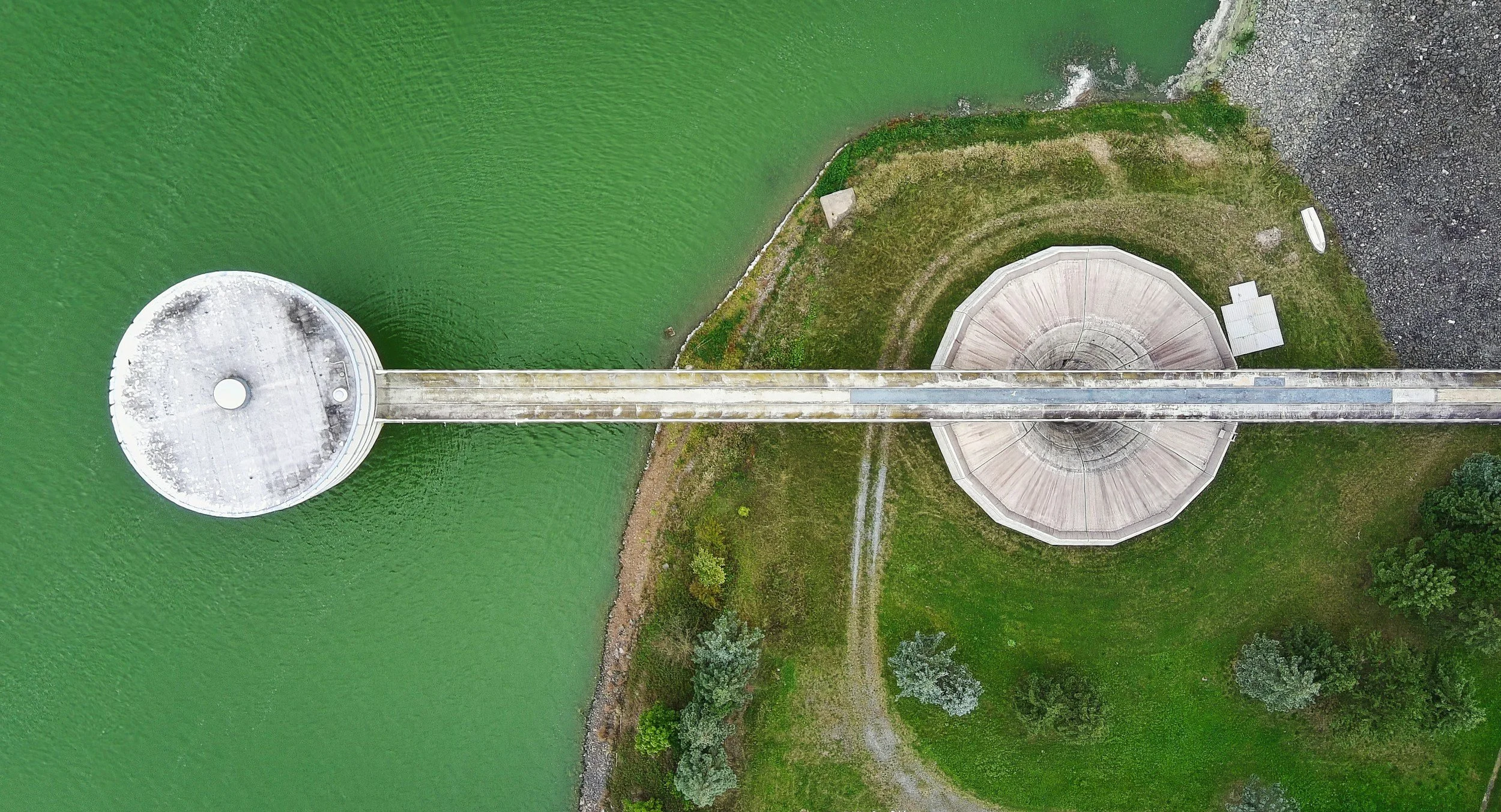
Cisterns, WAPA, and Water in the USVI
Every USVI home runs on rainwater. How cistern capacity is calculated, what WAPA can and can't be relied on for, and how water infrastructure shapes design decisions.

What Is the USVI Coastal Zone Permit and Do You Need One?
When CZM review applies, what triggers it, and how coastal zone requirements affect timeline, buildable envelope, and cost on a USVI project.
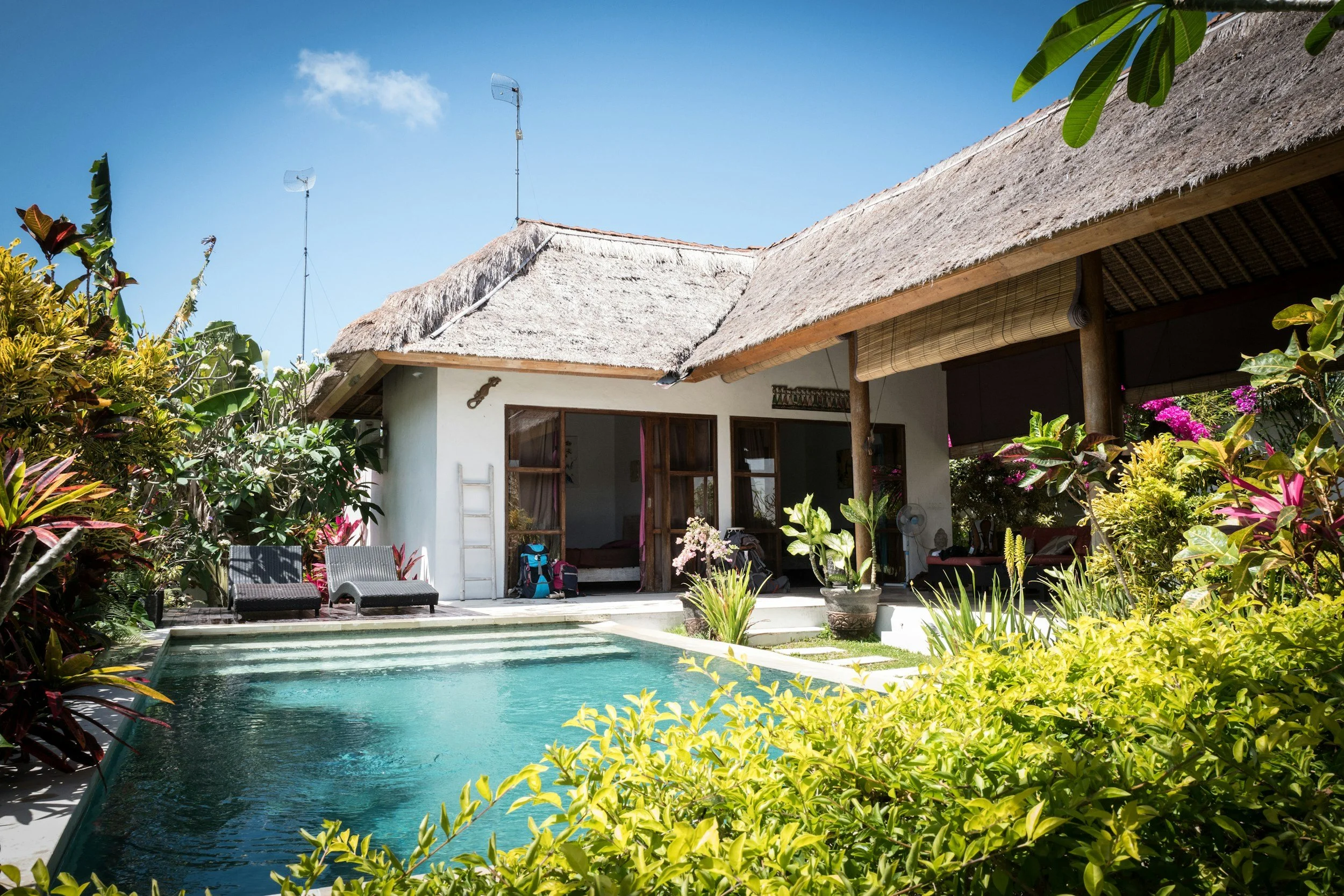
Adding a Guest House in the USVI
What lot coverage rules, utility capacity, and the permit path actually allow when adding a detached structure — for owners evaluating whether their property supports it.
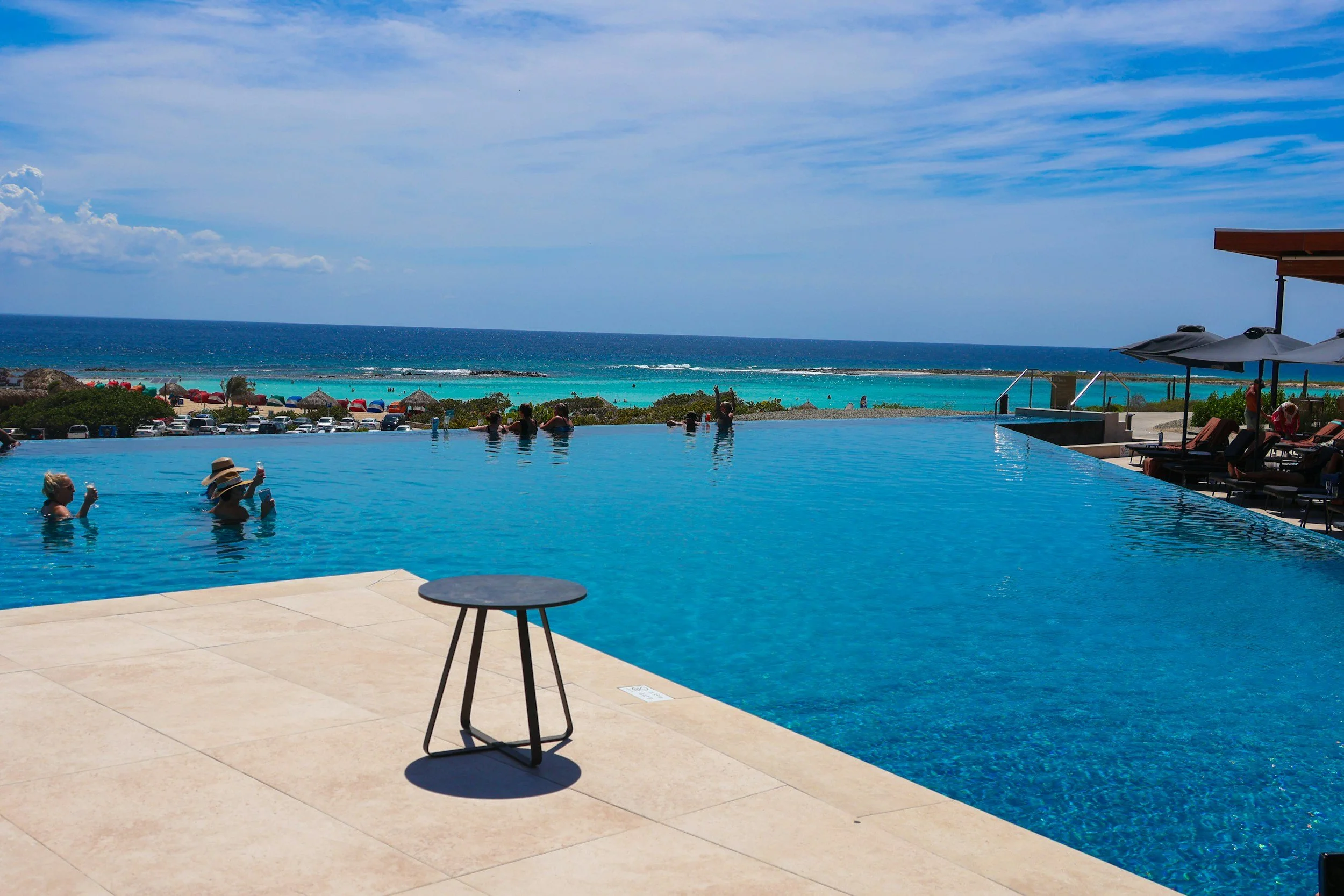
Adding a Pool to a USVI Property
Coastal zone triggers, cistern math, site excavation realities, and honest cost ranges for a pool addition — before you commit to a design or a contractor.

The Romania Apartment Field Guide
The complete framework for buying and renovating a Romanian apartment — building eras, structural realities, permit path, budget structure, and what to check before you commit.

Renovating in Romania: What Budget Estimates Always Miss
The costs contractors leave out of their initial quotes, why Romanian renovation budgets tend to overrun, and how to build a realistic envelope before you start.
Contents:
What building on St. John, St. Thomas, and St. Croix actually involves — from land to permit to construction.
Building on the Florida coast — from flood zone to permit to construction.
Renovation in Romania — what the building, the process, and the design actually involve.
How we work with clients across time zones, jurisdictions, and project types.
What building from the ground up actually involves — structure, permits, cost, decisions.
What existing buildings require before, during, and after — structure, regulation, and cost.
Architecture, culture, and the ideas worth arguing about.
Latest articles:

What Does a Building Permit for Renovation in Romania Actually Involve?
Renovating a property in Romania requires a building permit for most works that go beyond surface finishes — and obtaining one involves a sequential administrative process that typically takes three to six months from first submission to approved authorisation, longer in congested municipalities.
The process is governed primarily by Law 50/1991, which takes a broad approach: by law, construction works may be undertaken only after a building permit is issued by the relevant authority — applying not just to new builds, but also to a wide range of renovation work. For buyers and investors, permit timeline is not a scheduling inconvenience — it is a direct cost variable that affects contractor engagement, holding costs, and project viability.
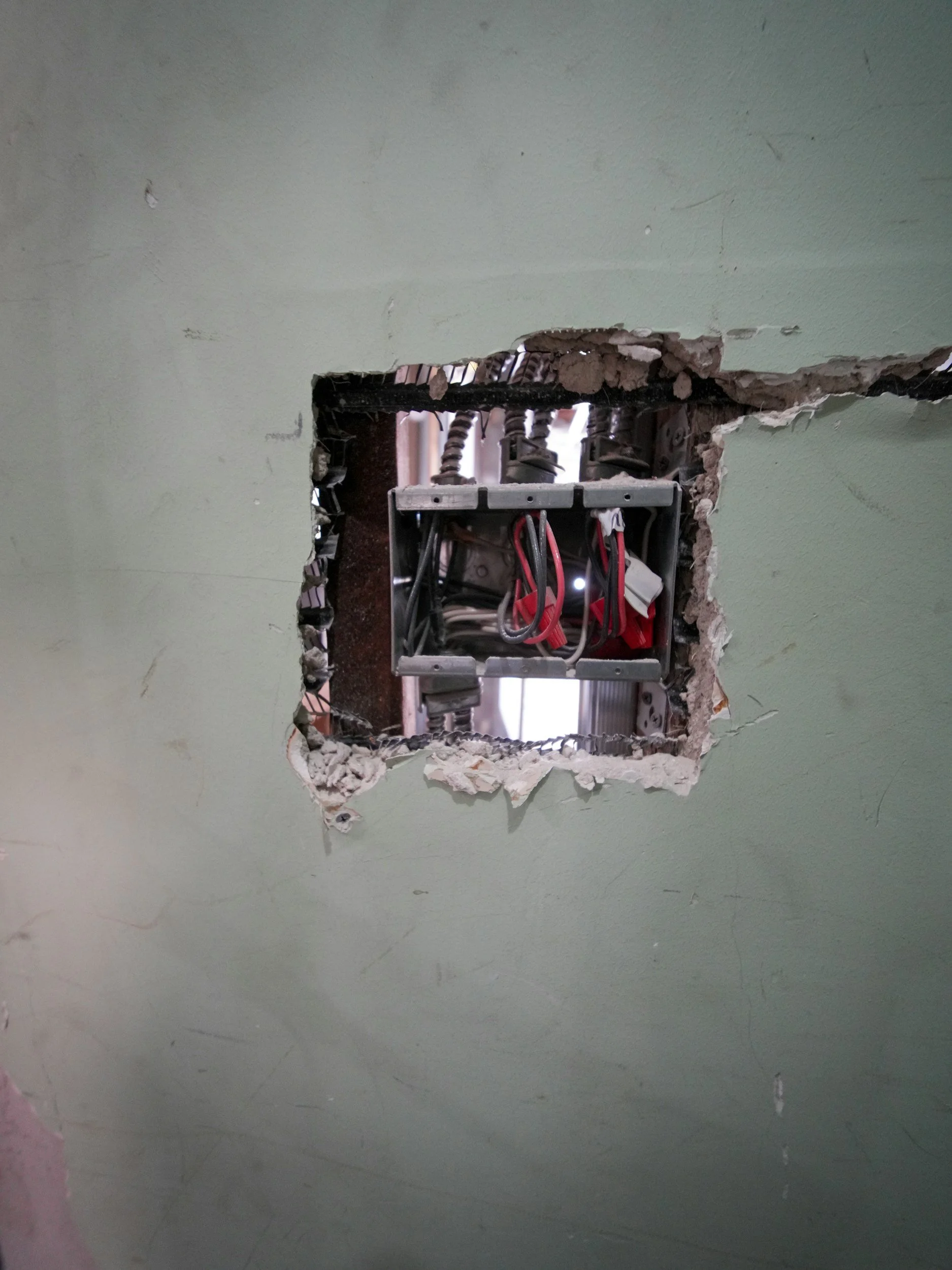
Utilities in Romanian Buildings: What Each Era Left Behind and What Renovation Actually Requires
Romanian residential buildings fall into three construction eras — interwar (pre-1945), communist (1950s–1989), and post-communist (1990s–present) — and each era left behind a distinct set of utility systems in distinct states of deterioration. What you find inside the walls determines what renovation actually costs. Over 90% of Romanian residential buildings were constructed before 1989, and their energy performance typically falls between 150 and 400 kWh/m²/year — far above what current standards require.
Electrical systems, plumbing, gas installations, and thermal envelopes all carry the fingerprints of when the building was made. Understanding what each era left behind, and what intervention each system requires, is the only way to build a renovation budget that holds.
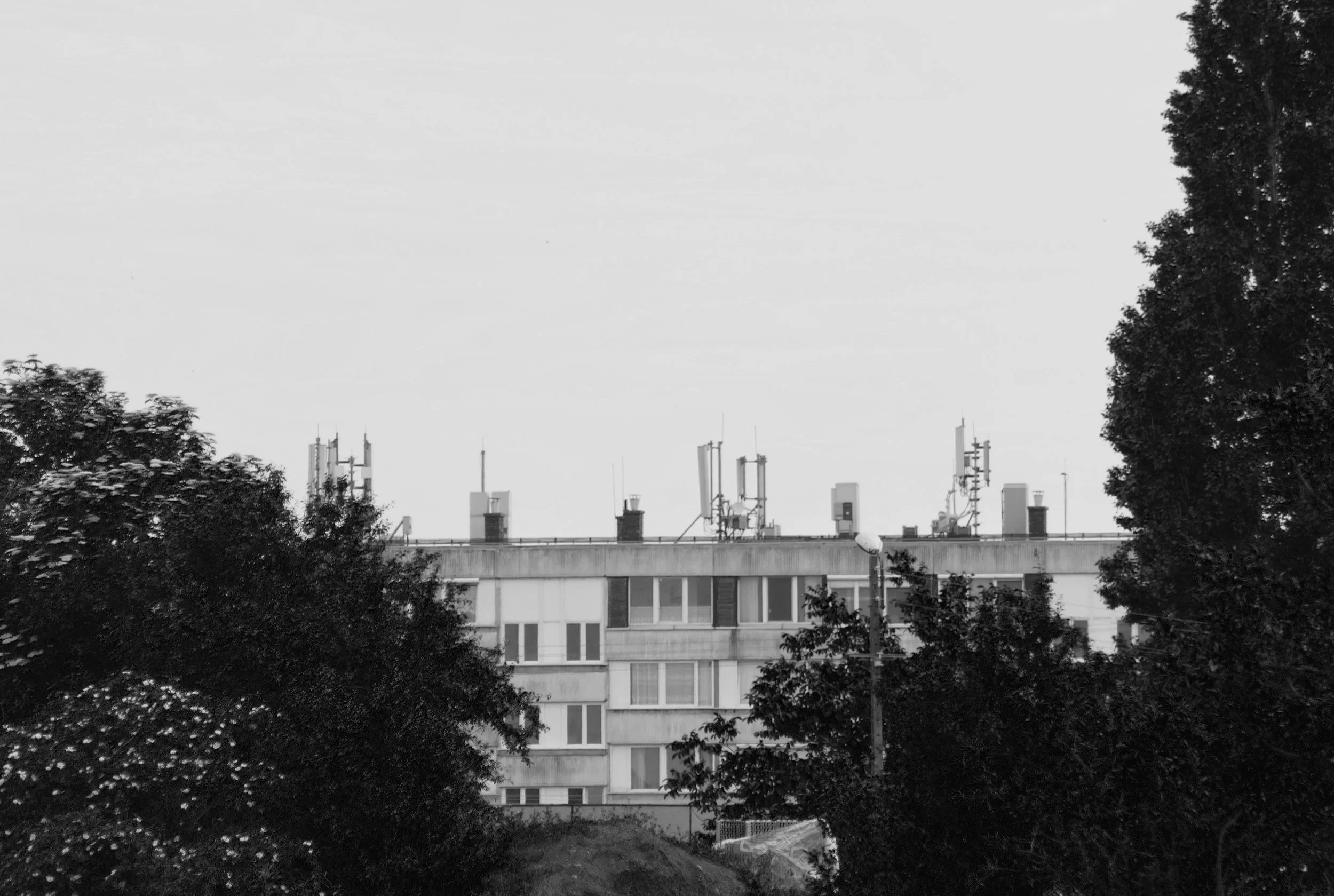
The 50-Year Building Lifespan Question: What It Actually Means for Romanian Property
The 50-year building lifespan designation in Romania is an inspection trigger, not a condemnation notice. When a building reaches its design lifespan — a parameter drawn from the same European structural standards that apply across the continent — the correct response is a structural assessment, not a demolition order.
In most cases, that assessment will confirm the building is structurally sound, may require targeted maintenance or retrofit, and can continue in service for decades. The conflation of "end of design lifespan" with "end of useful life" is a market myth with no basis in structural engineering, and it is costing Romanian buyers real money and real opportunities.

Should You Renovate a Property in Romania or Walk Away? An Architect's Framework
Not every property worth buying is worth renovating. In Romania, the decision turns on three variables: structural condition, spatial logic, and the relationship between purchase price and realistic renovation scope. A property can be attractively priced and still represent a bad investment once full intervention costs are on the table.
The framework below is how an architect approaches that decision — before a single euro changes hands.
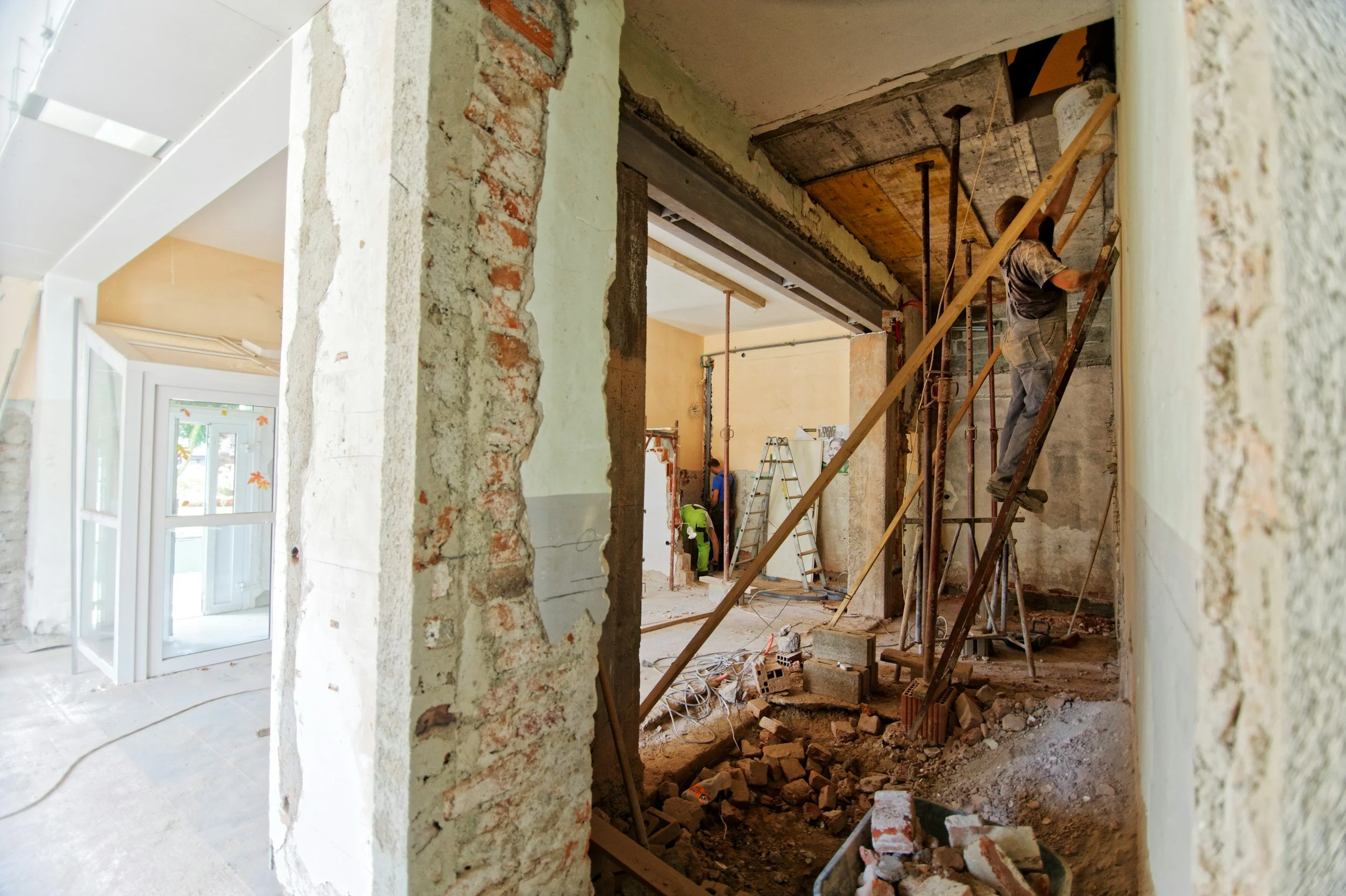
What to Check Before You Renovate a Property in Romania
Renovating a property in Romania requires a structured technical assessment before a brief is written, a contractor is appointed, or a budget is set. That assessment covers seven areas: structural condition, electrical systems, plumbing, thermal envelope, spatial constraints, typology-specific factors, and non-negotiable red lines.
Skipping it doesn't save time — it transfers unknown risk directly into your construction contract, where it becomes expensive to resolve and difficult to dispute.
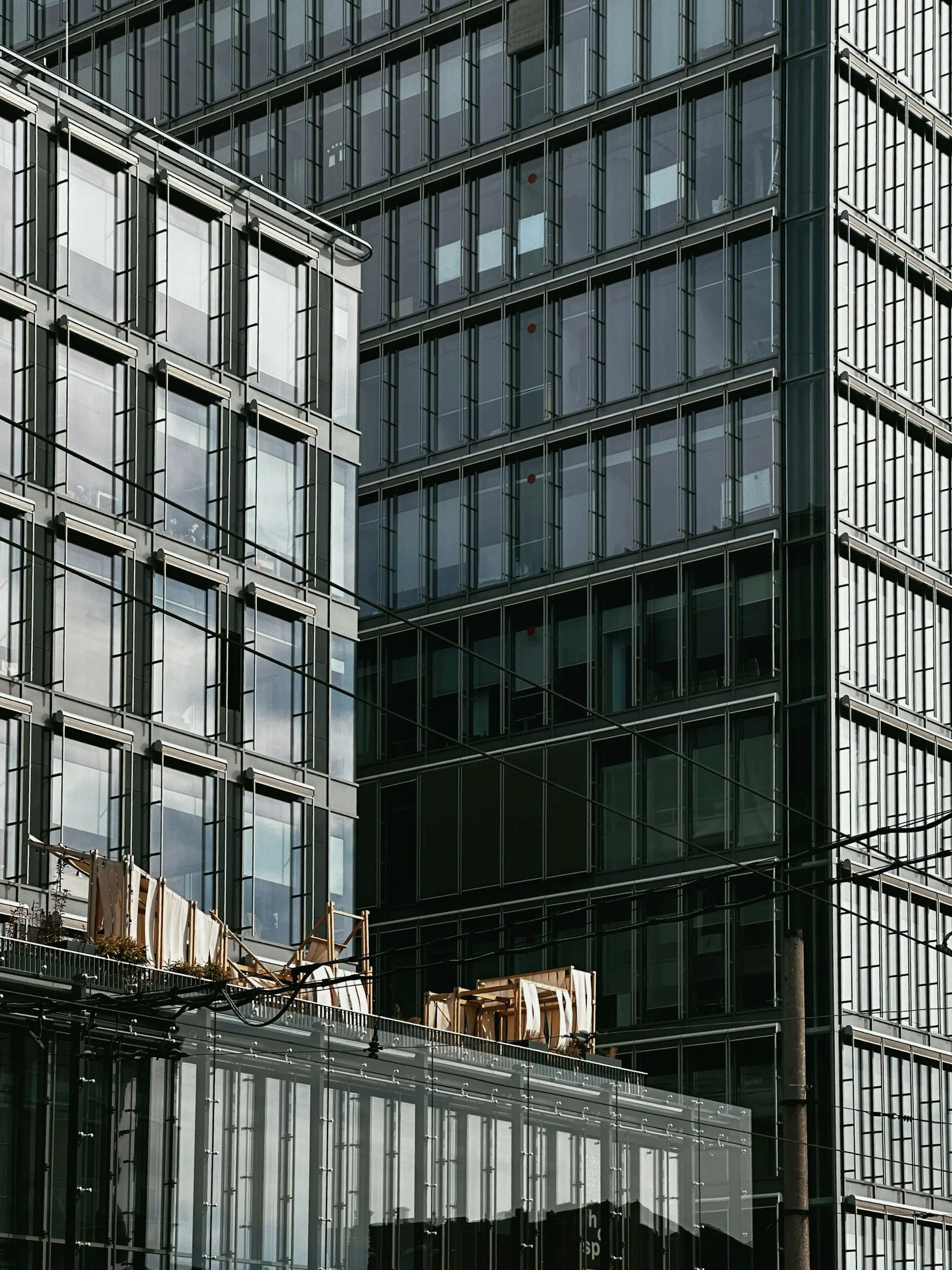
Post-Communist Buildings in Romania: What Developer Stock from the 1990s to Today Actually Delivers
Romanian developer apartments from the 1990s to today vary more than most buyers expect — not in price or location, but in what they structurally are. The construction era determines the structural system, the spatial logic, the condition of every hidden system, and the realistic scope of any future renovation. A 1990s transitional build, a 2000s boom-era block, and a post-2015 developer project are not variations on the same thing — they are categorically different inheritance problems. Before location, before price, before finish, the era is the filter.

Communist-Era Buildings in Romania: What Buyers Need to Know About Blocs, Monoliths, and Villas
Communist-era buildings in Romania are not a single category — and buying one without understanding which category you are in is one of the most common and expensive mistakes in the Romanian property market. Between 1947 and 1989, the state produced at least five structurally and spatially distinct building typologies — panel blocs, cast-in-place monoliths, state villas, Soviet officer housing, and attached row houses — each built under different political conditions, with different materials, different structural logic, and different renovation ceilings.
A buyer treating all communist-era stock as interchangeable is not making a real estate decision; they are making a guess. The typology determines what the building can become, what it will cost to get there, and what it will never be able to do.
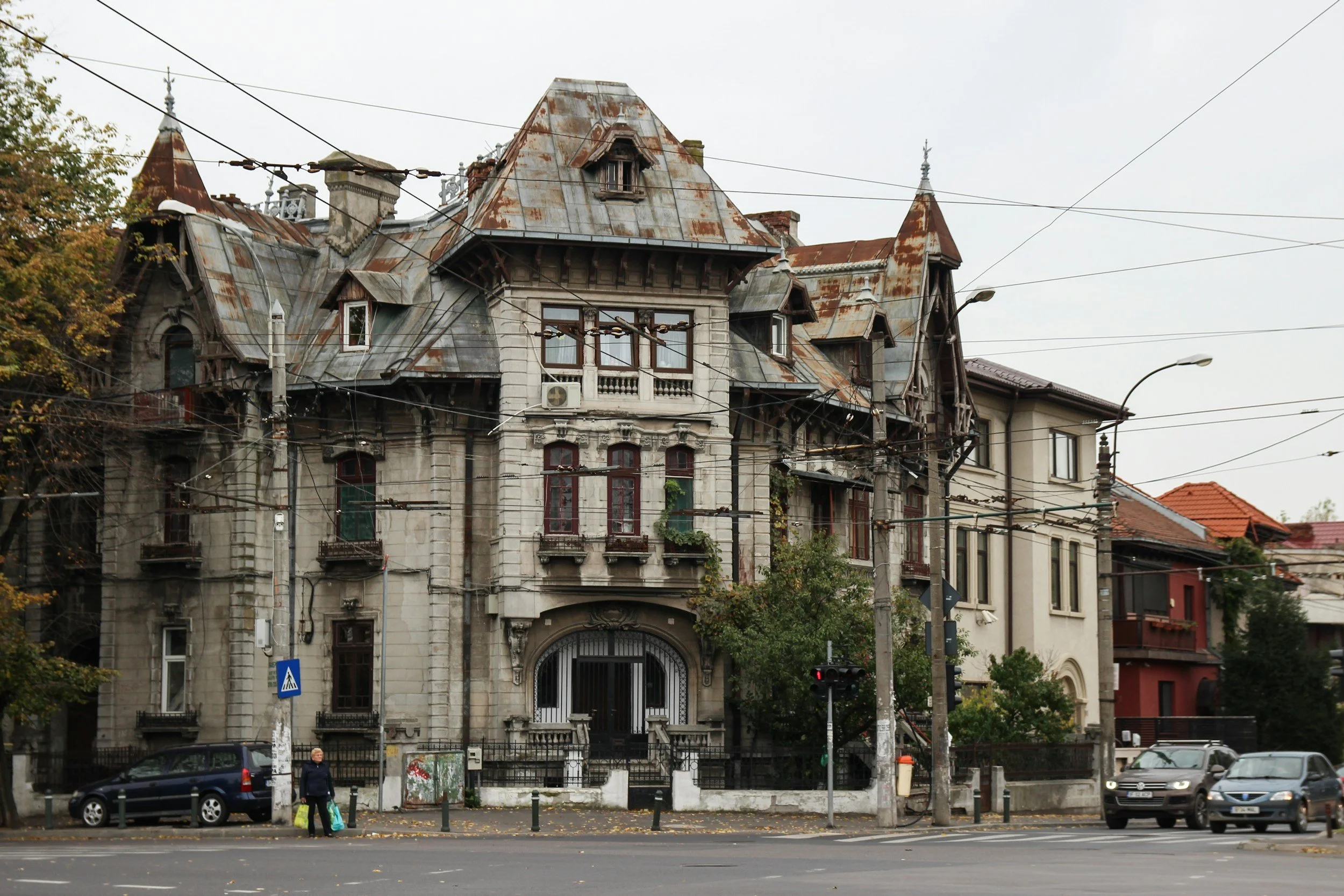
Pre-Communist Buildings in Romania: What Interwar Apartments and Villas Actually Are
Romania's pre-communist residential building stock spans roughly 1900 to 1947 — the period between the country's rapid modernisation and the communist nationalisation that froze private development. These buildings are load-bearing masonry structures with timber floor systems, generous ceiling heights, and spatial proportions that reflect a bourgeois residential culture that no longer exists. Buying or renovating one means accepting a specific set of structural constraints, system deficiencies, and — in many cases — heritage obligations. What follows is a factual account of what these buildings are, how they were built, and what they impose on a renovation brief.