
Florida
Building on the Florida coast — from flood zone to permit to construction.
Featured
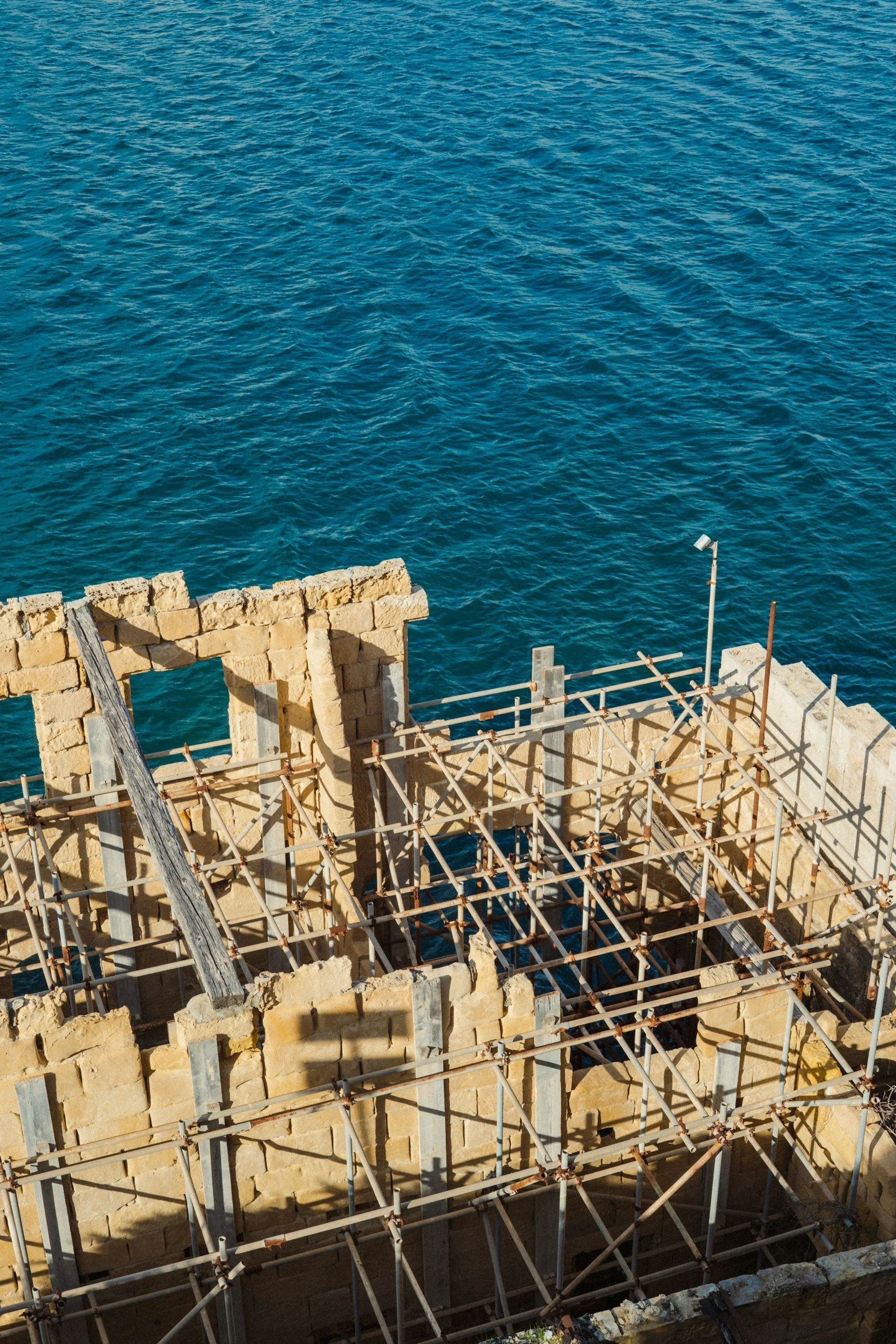
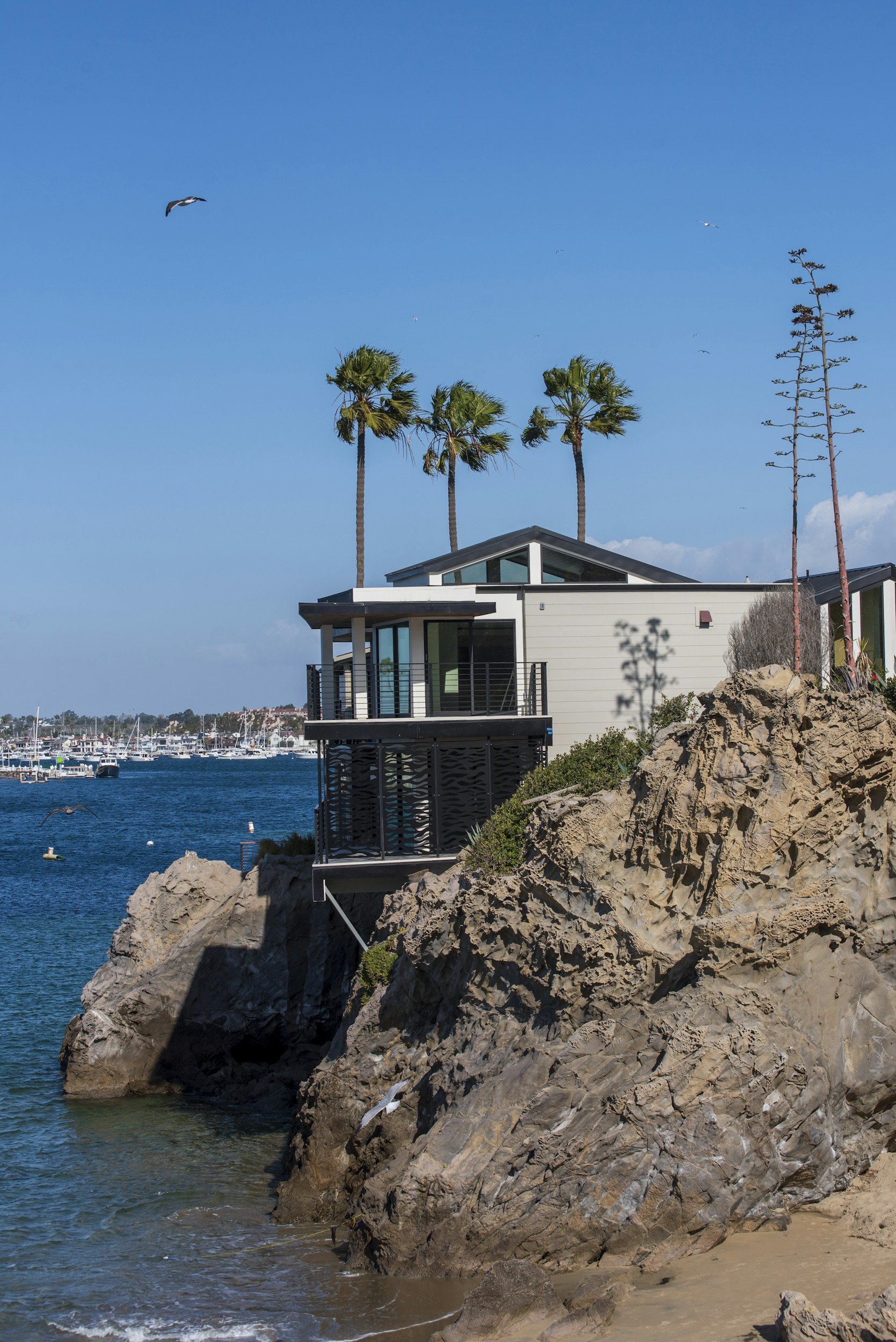
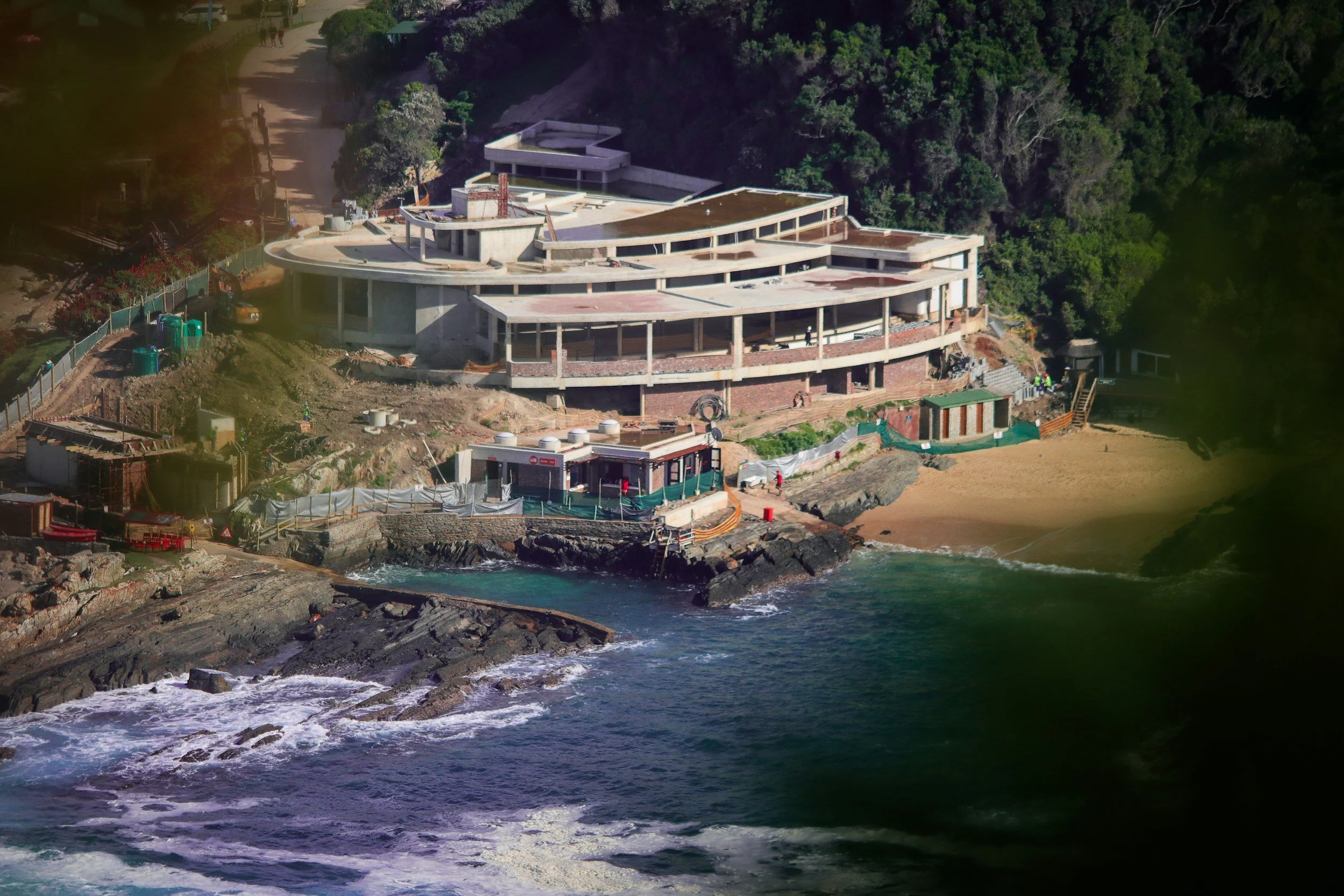
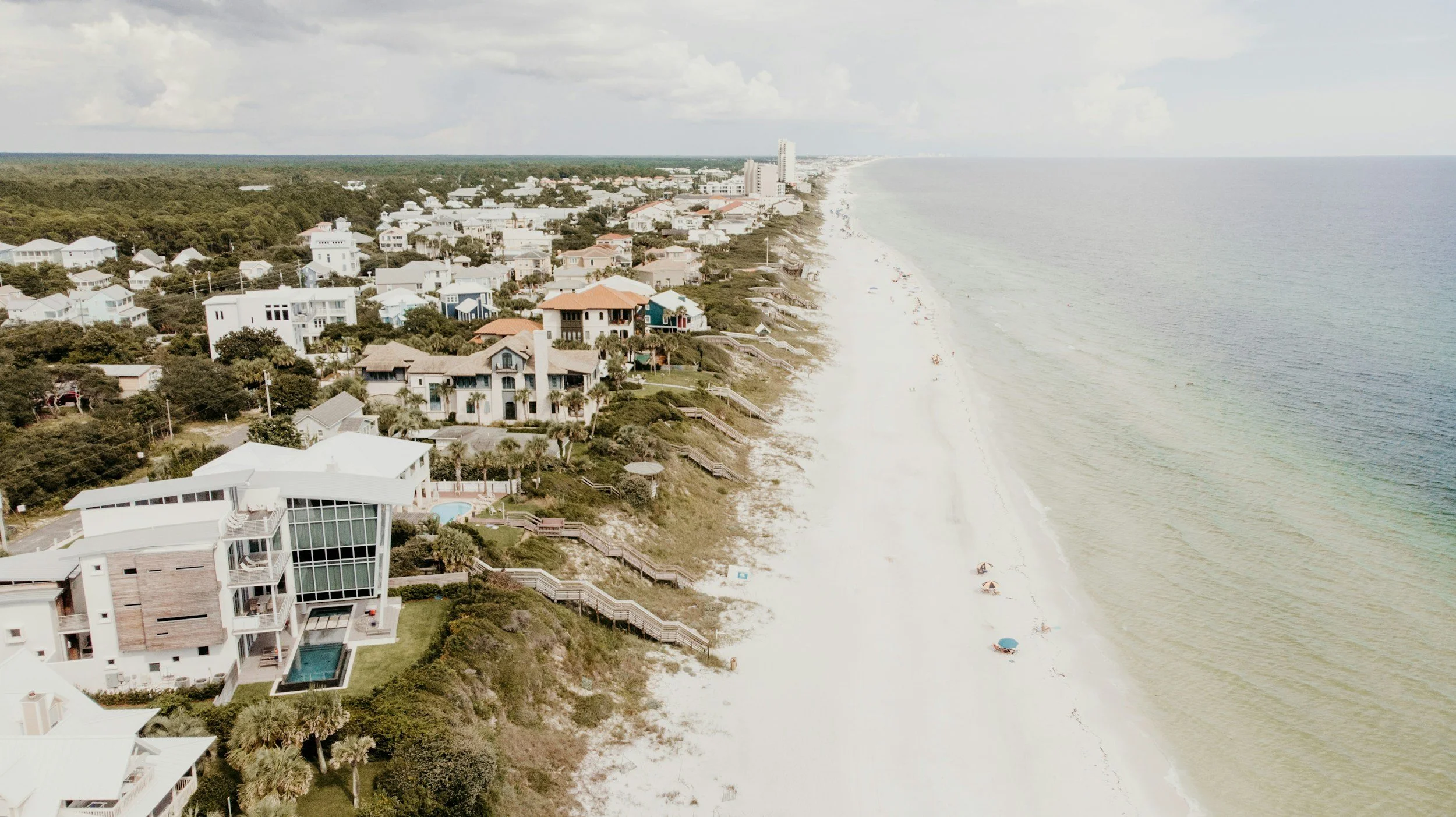

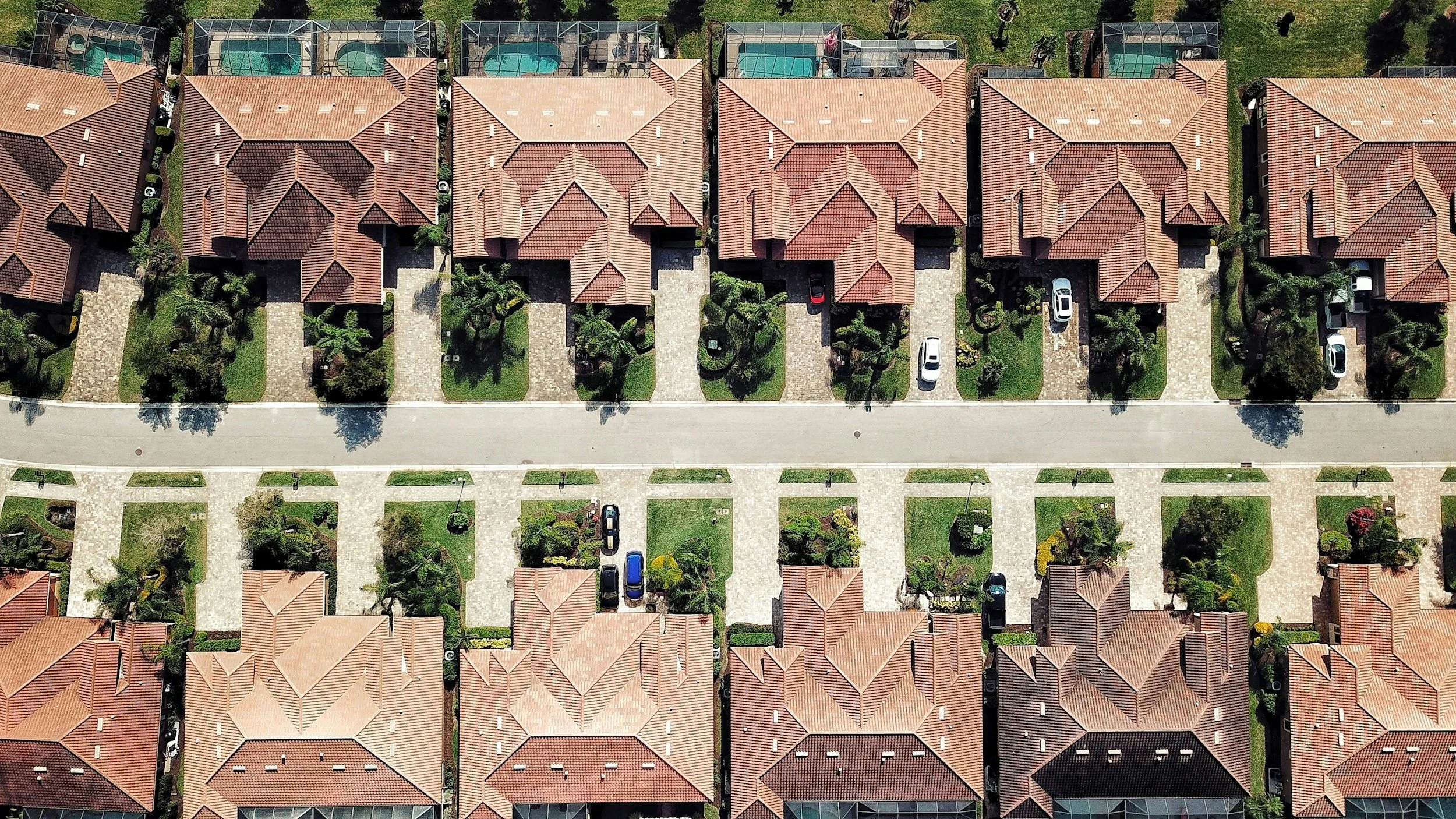

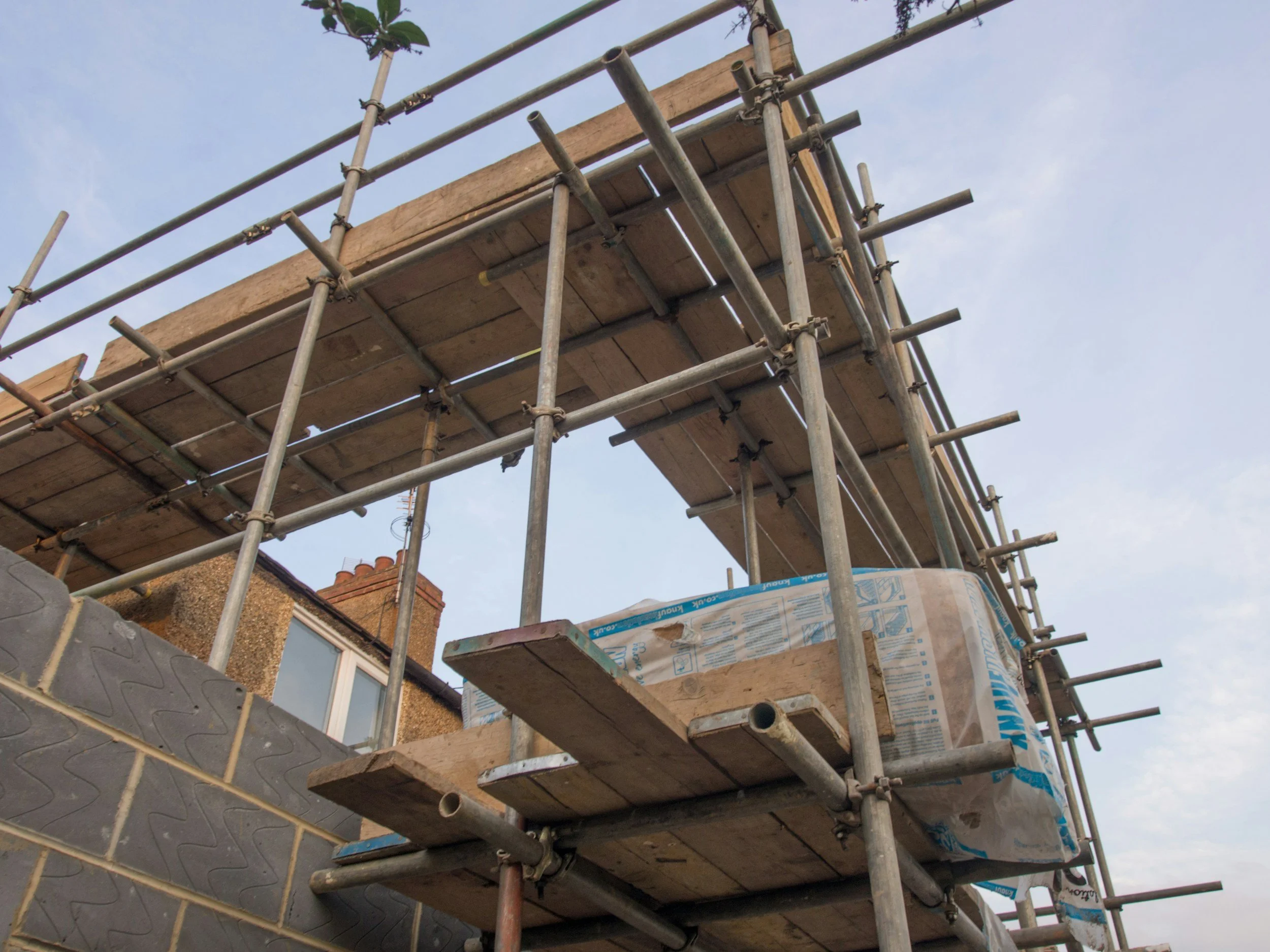
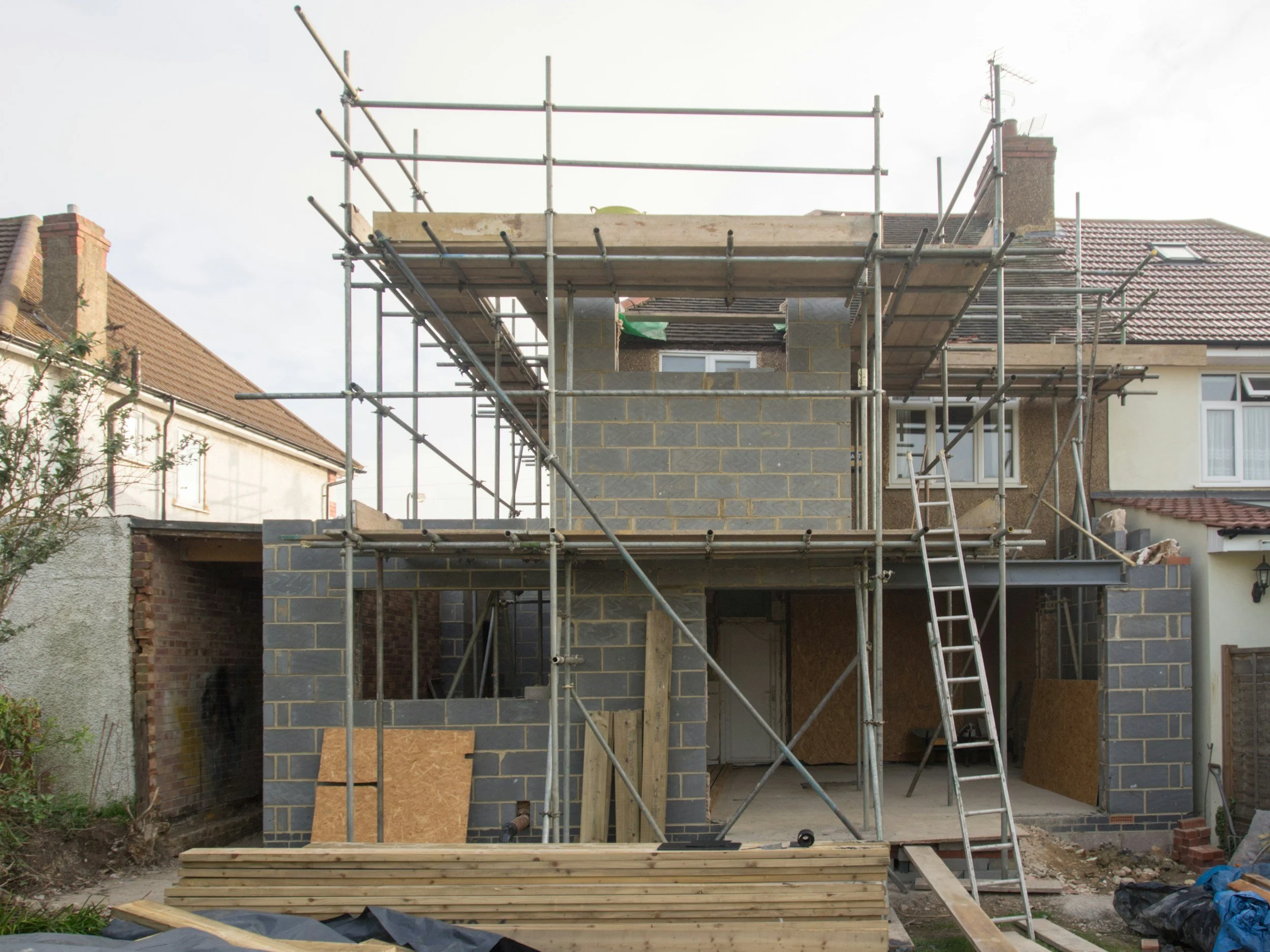
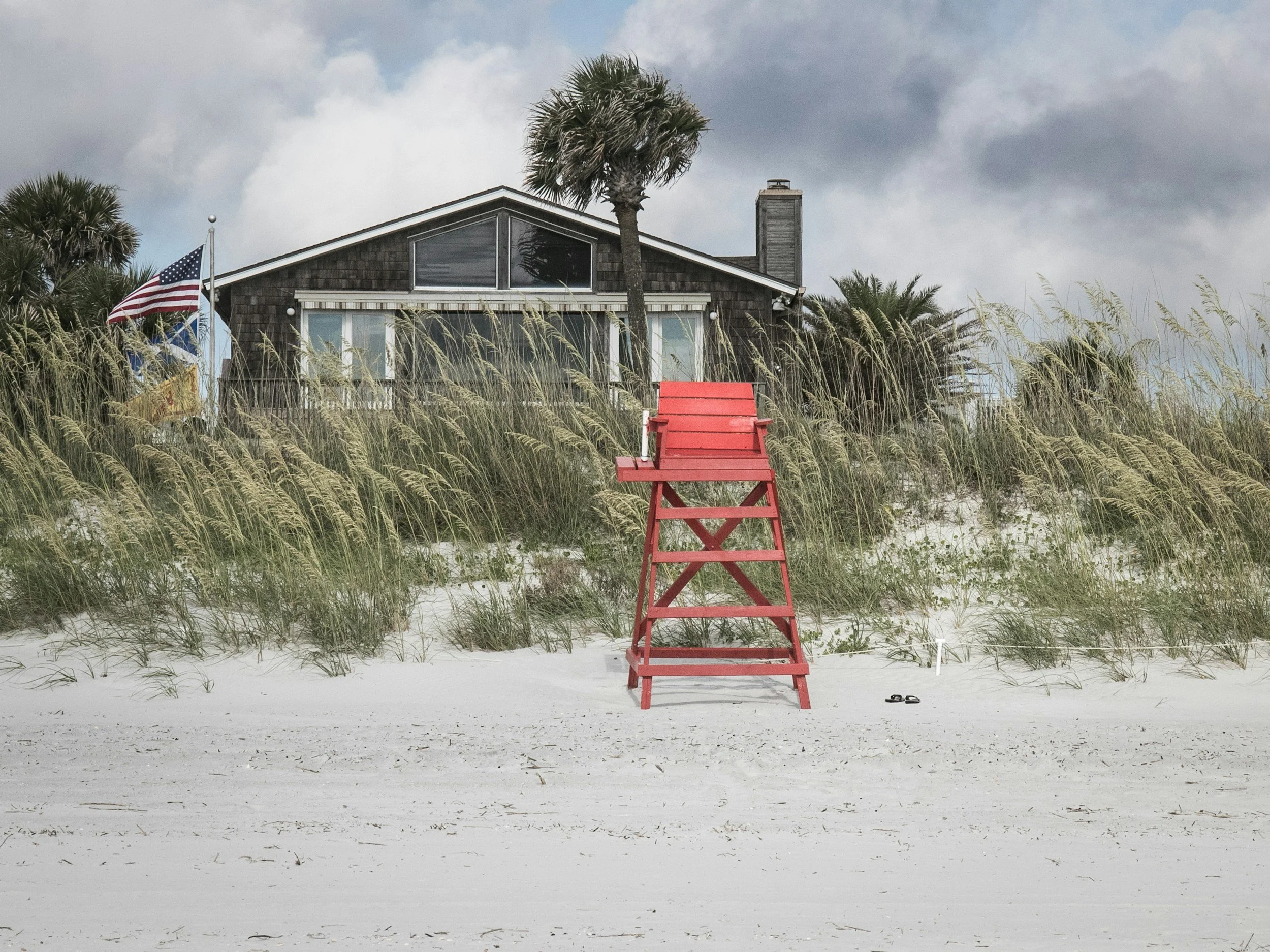
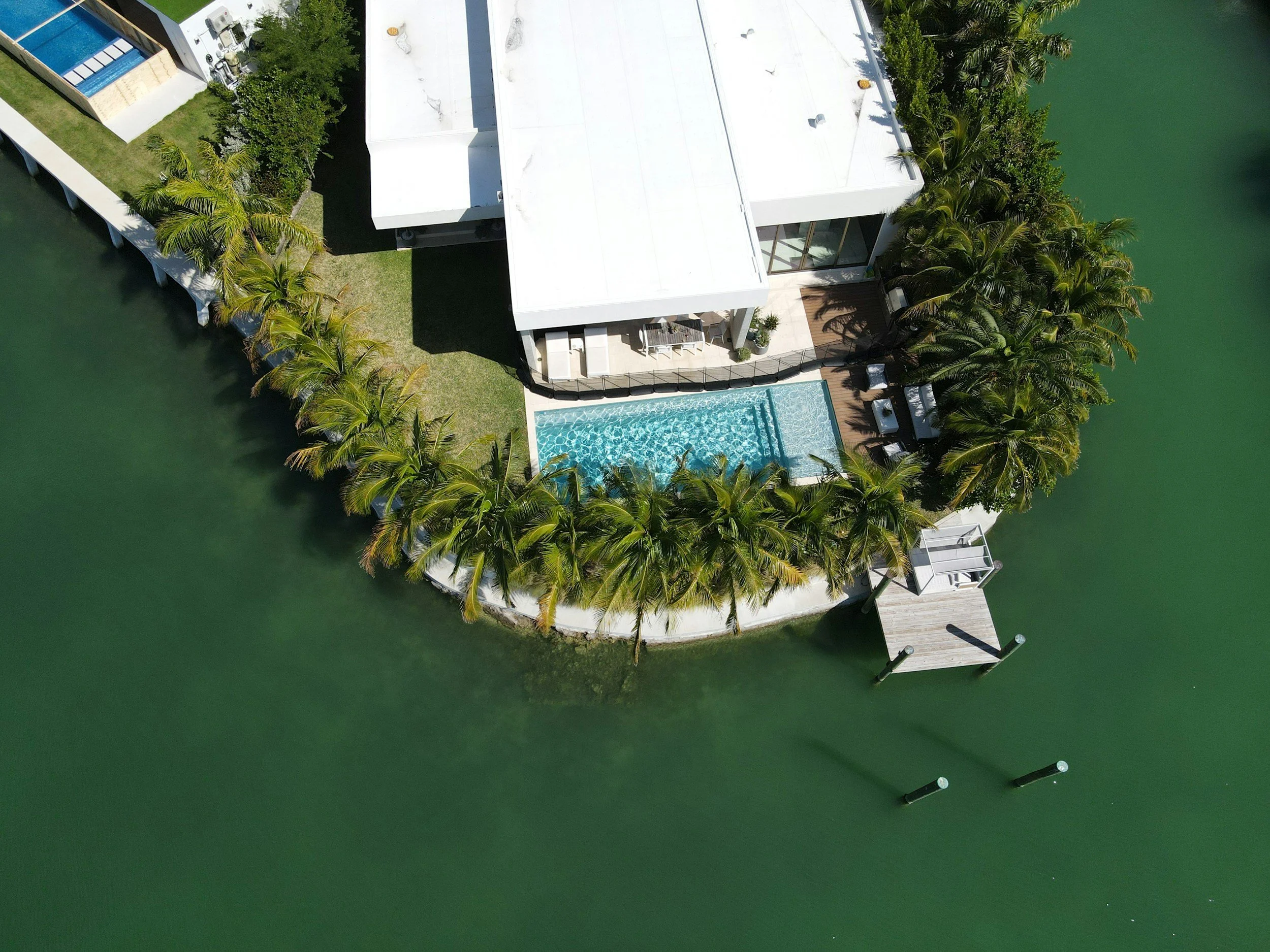
What it costs to renovate a coastal Florida home in 2026 — ranges by scope, the 50% Rule cost cliff that can force a whole-house elevation, and where budgets break, from an architect.
What an ADU or guest house costs in Florida in 2026 — per-square-foot ranges by type and region, why small units cost more, and the coastal premiums generic figures miss.
What it costs to build a house on the Florida coast in 2026 — per-square-foot ranges by tier, the four coastal cost drivers, and how to build a defensible budget, from an architect.
A coastal Florida architect's field guide to renovations, ADUs, and new builds — flood zones, hurricane code, permitting, and cost, and how to start in control.
Building or remodeling seaward of Florida's Coastal Construction Control Line — what a CCCL permit requires, and how it stacks on local and flood rules, from an architect.
Building new on the Florida coast — what coastal lots, flood zones, and hurricane code add to a custom home, and how the design phase controls the risk, from an architect.
Buying a coastal Florida home or lot? What to check before you make an offer — flood zone, elevation, CCCL, insurability, buildability — an architect's pre-offer guide.
Should you build an ADU — and what actually fits your lot? An architect on when a catalog model is right, when it isn't, and the options before you commit.
Adding a guest house or detached ADU on a coastal Florida lot — permit path, lot rules, flood elevation, and utilities — a practical architect's read before you commit.
What you can actually build as an ADU on a coastal Florida lot — the local rules that really govern it (no statewide by-right law passed), plus flood and coastal limits, from an architect.
How a coastal Florida renovation changes your flood and windstorm insurance — the design decisions that move premiums, and how to plan for them, from an architect.
Adding on to a coastal Florida home — what tying new construction to old under current wind and flood code really requires, and your options, from an architect.
What "substantial damage" means for a storm-hit Florida coastal home — the repair-vs-rebuild decision and how to stay in control of it, explained by an architect.
Is your coastal Florida home already flood-compliant? What an elevation certificate tells you — and how it can change your renovation's scope and cost before you start.
Renovating a coastal Florida home in a flood zone — the permit path, elevation rules, and insurance reality, explained by an architect before you commit to the work.
Florida's 50% Rule can turn a renovation into a forced rebuild. An architect explains how substantial improvement works — and how to plan around it before you commit.
Honest cost ranges for a coastal Florida build, what pushes numbers up, and what to pressure-test in a contractor quote before you commit.
How coastal Florida's salt, wind, humidity, and sun should shape your material and detailing choices — the durability decisions made at design time, from an architect.
How coastal Florida permitting actually works — the sequence, the timeline, and why it varies by county — plus the real cost of skipping permits, from an architect.
What Miami-Dade's High-Velocity Hurricane Zone and NOA product-approval rules mean for your project — the strictest coastal code in the US, explained by an architect.
How coastal Florida homes are designed to survive hurricanes — load paths, impact glazing, roof attachment — and why the details that matter are decided on day one.
A Florida architect's plain-language guide to flood zones — base flood elevation, freeboard, AE vs VE — and how your zone decides what you can actually build.
Architect or contractor first? An honest guide to who to call first for a coastal Florida renovation, addition, or build — and when you genuinely don't need an architect.