What Actually Drives Up Construction Costs (And Why Square Footage Is Only Part of the Answer)
When homeowners ask about construction costs, the first question is almost always the same: how much per square foot? It's a reasonable starting point. Built area is the most visible variable, and cost does scale with size. But it's one input among many — and often not the most consequential one.
The decisions that quietly inflate a construction budget are rarely the obvious ones. They're embedded in the site, the structural system, the ceiling height, the size of the windows, the openness of the floor plan. By the time a contractor's quote lands on your desk, those decisions have already been made. Understanding what drives up construction costs before design is fixed is where real budget control happens.
How Construction Pricing Actually Works
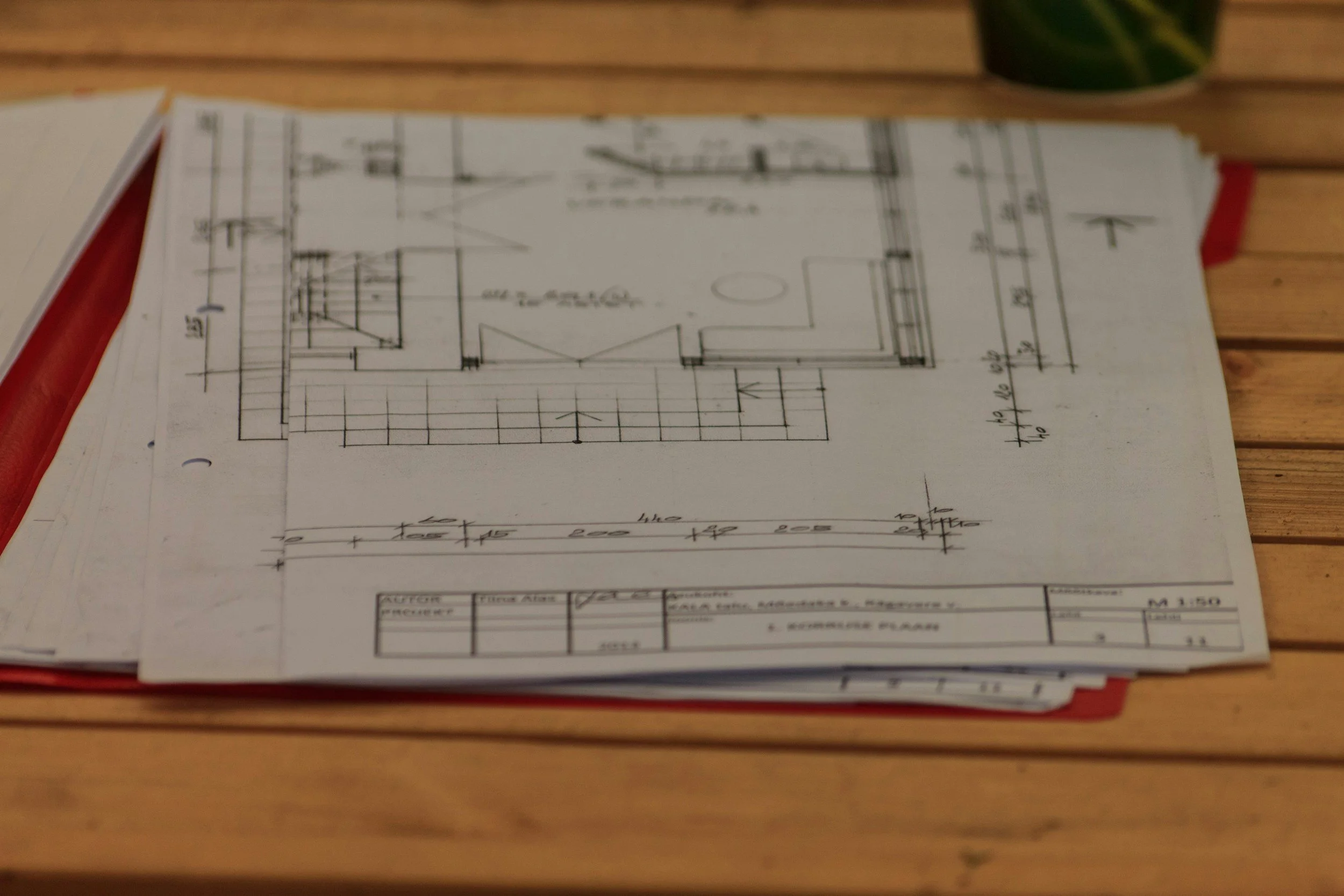
To price a project accurately, a contractor needs two things: technical drawings that define the construction solution, and a bill of quantities (BoQ) — a complete, itemised list of every material and construction element in the project.
This is why early estimates, produced at the end of the schematic design (SD) phase, are inherently approximate. At that stage, the technical solution isn't fully defined. The structural system, wall and floor assemblies, roof type, and earthworks haven't been resolved in detail. If the project uses standard construction methods, an experienced contractor can make a reasonable estimate based on prior projects. If the design is complex or atypical, that estimate becomes significantly less reliable.
The design development (DD) phase is where the full technical solution is worked out and the BoQ is extracted. Each consultant submits their own bills — the structural engineer covers the foundation and structure, the architect covers the architectural package. Together, these give the contractor what they need to produce a final, accurate quote.
The takeaway: the earlier you ask for a number, the rougher that number will be. That's not a failure of process — it's the nature of incomplete information.
Site Conditions and Topography
A flat site with good soil is the cheapest site to build on. That's not an opinion — it's a direct consequence of what the ground asks of the foundation and the earthworks.
On a flat site with stable soil, a basic slab on grade covers most conditions. It's common, well-understood, and priced accordingly. Introduce a slope, and the picture changes: retaining walls, stepped foundations, additional excavation, and in some cases, engineered fill all enter the budget. The steeper the site, the more pronounced these costs become.
Soil conditions are the variable most homeowners don't think about until the geotechnical report comes back. Poor bearing capacity, high water tables, or expansive soils can significantly change the foundation specification — and therefore the cost — of an otherwise straightforward project. Two identical houses on different sites can carry meaningfully different price tags before a single wall goes up.
Building System and Structural Choices
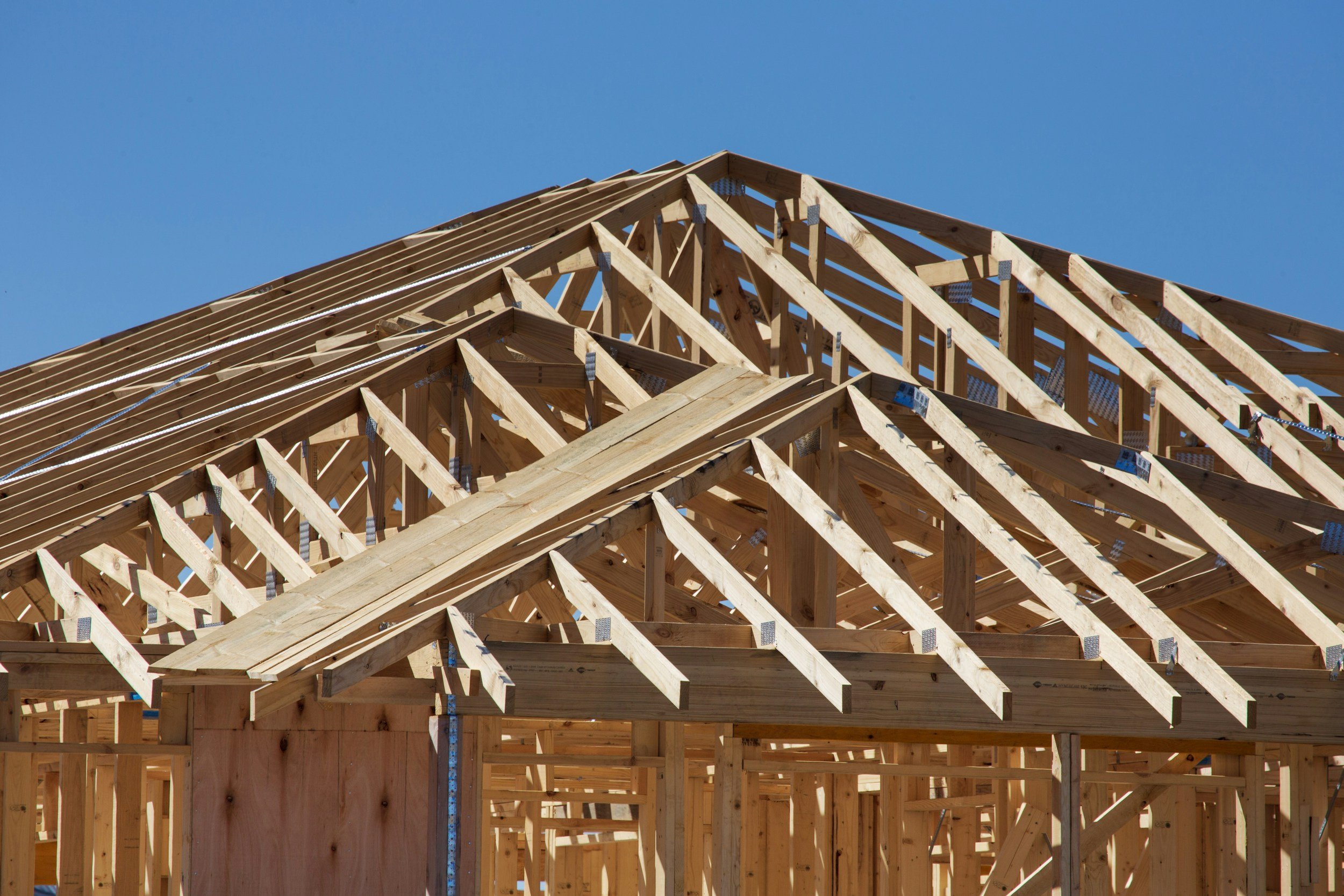
There are three main construction systems in widespread residential use: timber frame, concrete structure, and steel frame. Each has a different cost profiles depending on where you're building.
Timber frame tends to be more economical in North America, where the supply chain is mature, and the labor pool is deep. Concrete is often the default in Southern and Eastern Europe for the same reasons. Steel sits in a different position — it's faster to erect and allows for longer spans, but it typically carries higher material costs and requires specialist labor.
The structural system isn't just a procurement decision. It directly shapes what the floor plan can and can't do, and pushing any system beyond its standard parameters increases cost. Timber spans of around 5 metres (16 feet) are straightforward with standard sections. Concrete can reach 10 metres (30 feet) economically with properly dimensioned elements. Steel can span further still — but the moment you move into non-standard territory with any system, costs follow.
Choosing a system that's common in your region isn't just a cost decision. It affects lead times, contractor availability, and how smoothly the build runs.
Floor Plan Layout and Ceiling Height
Open floor plans are popular for good reason — they read well, they live well, and they photograph well. But structural openness has a cost. Removing interior walls means transferring loads differently, which typically means heavier beams, more complex connections, and in some cases a structural system upgrade.
Ceiling height is a cost driver that rarely gets discussed early enough. Raising ceiling heights from a standard 2.4 metres (8 feet) to 3 metres (10 feet) or beyond doesn't just add wall area — it compounds across the project. Taller walls require more material and more labor to frame, insulate, finish, and paint. Mechanical runs get longer. Doors and windows become non-standard. Scaffolding requirements increase. The effect isn't dramatic on any single line item, but it accumulates.
The relationship between layout ambition and structural cost is worth understanding before the floor plan is set. Changes at the schematic stage are inexpensive. Changes after the structural system has been designed are not.
Have a project in mind and want to pressure-test the budget before design is fixed? Office Hours is a free 45-minute session — bring your site, your brief, and your numbers, and we'll work through what's driving the cost.
Windows and Glazing
Window size affects cost in more ways than the glazing unit itself.
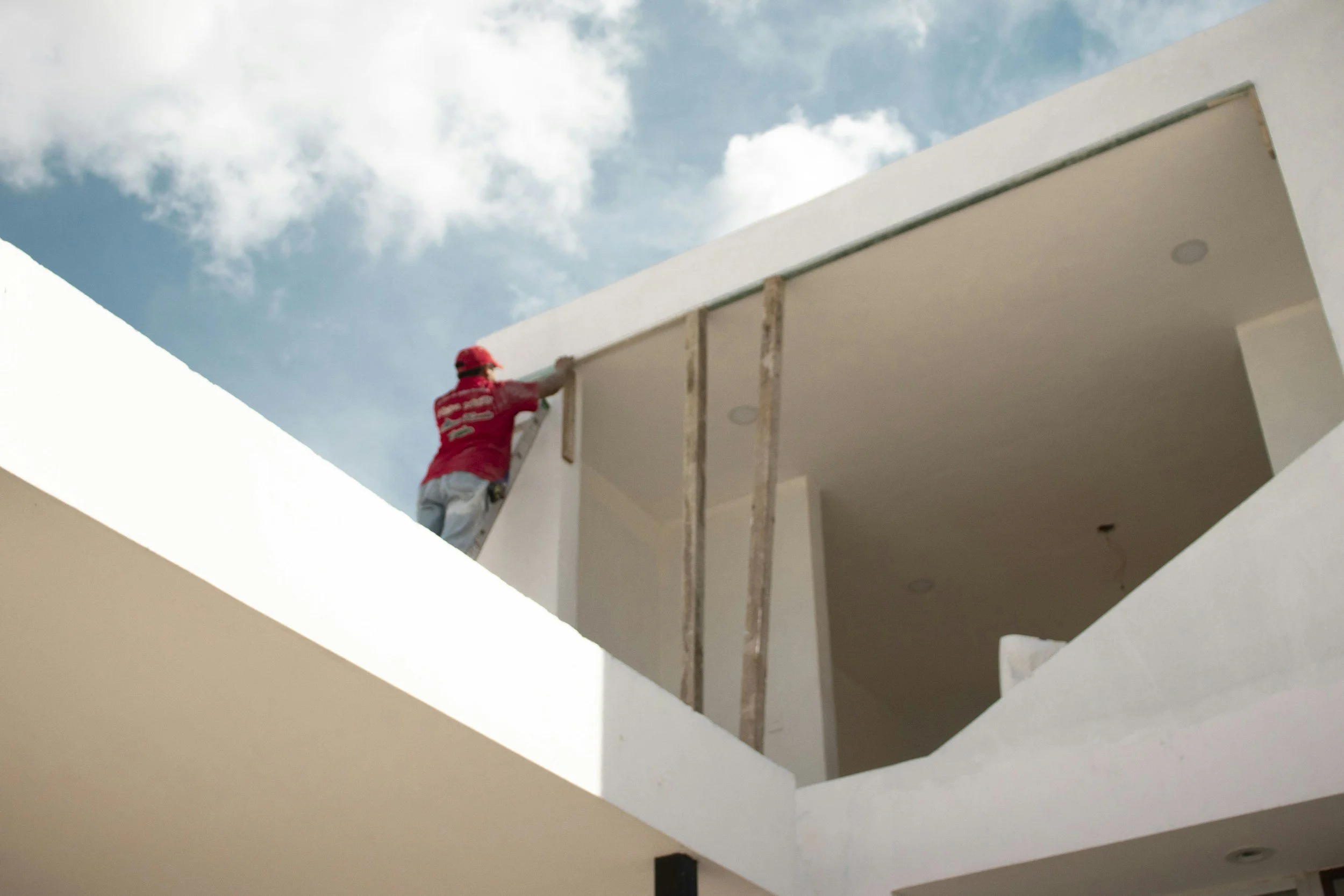
Large windows and curtain wall systems require structural support that standard framing doesn't provide. Headers get heavier, structural posts may be required, and in some cases, the wall system needs to be redesigned around the opening. That's before procurement — large-format glazing units, particularly those with thermal or acoustic performance requirements, carry significant material costs of their own.
The detailing implications are also underestimated. Large openings demand careful waterproofing at the head, jambs, and sill. Getting this wrong is expensive to fix. Thermal bridging becomes a more active concern at scale. And the finishing work — reveals, shadow gaps, integration with interior linings — takes longer and requires more precision than a standard window installation.
None of this argues against generous glazing. It argues for pricing it honestly from the start.
Finishes and Custom Design Elements
Finishes are where budgets often take their final, unexpected hit. The material cost is visible; the associated costs are less so.
Large-format natural stone slabs are a clear example. The stone itself is expensive. But the weight requires a reinforced substrate, the installation is slow and specialist, and the waste factor on a complex layout can be significant. The same logic applies to large-format porcelain, polished concrete, and other finishes that look straightforward but carry hidden complexity in installation.
Custom design elements — details that deviate from standard practice — add cost through a combination of design time, detailing, and labor. A standard window in a standard wall is priced quickly and built efficiently. A window flush with the external cladding, with a custom shadow gap and a concealed drain, requires detailed drawings, precise sequencing, and a contractor who knows how to read and execute them. That's not a reason to avoid ambition. It's a reason to account for it.
The finishes market moves quickly, and prices fluctuate. What's consistent is the relationship between complexity and cost — the more bespoke the detail, the more it will cost to design, specify, and build.
Getting Ahead of the Cost Conversation
The point isn't to avoid any of these decisions. Sloped sites can produce exceptional architecture. High ceilings change how a space feels. Large windows earn their cost. Custom details are often what make a project worth building.
The point is to make these decisions knowingly, early, and with a clear understanding of what they add to the budget. A flat site, standard construction system, moderate ceiling heights, typical window sizes, and restrained detailing will produce the most predictable cost outcome. Every departure from that baseline is a choice — and each choice has a number attached to it.
Understanding what drives up construction costs before the design is fixed is where real control lives. If you'd like to talk through your specific project — site, budget, or where the numbers are coming from — Office Hours is a free 45-minute session. No brief required, no obligation.