Architectural Design Phases Explained: From Brief to Construction Drawings
A house isn't designed all at once. It's designed in phases, and each phase answers a different set of questions — in a fixed order, because the later questions can't be answered until the earlier ones are settled. If you're building for the first time, understanding that order is the difference between feeling in control of the process and feeling dragged along by it.
Two ideas are worth holding onto before we get into the phases themselves
The first is that a change gets more expensive the later it lands. Moving a wall while it's still a line on an early plan costs a conversation. Moving the same wall after the structure, the services, and the details have all been coordinated around it costs a redraw — and on site, it costs real money. Almost everything below comes back to this.
The second is a question most first-time clients never think to ask at the start, and wish they had: how much of this do you actually want to take on yourself? Some people want a white-glove process where the architect and a trusted builder carry nearly everything and they approve decisions at a few key moments. Others want to be in the plans, coordinating with the builder, weighing every trade-off. Both are legitimate. But the answer shapes how the design process is run from day one — how much gets documented, how decisions are staged, how much detail you'll be asked to absorb. It's worth saying out loud to your architect in the first conversation, not discovering halfway through.
The Four Main Phases
Residential design moves through four phases: Pre-Design (PD), Schematic Design (SD), Design Development (DD), and Construction Drawings (CD), with permitting running alongside the later stages.
The shorthand worth remembering: Pre-Design frames the problem. Schematic Design proposes the solution. Design Development proves it can be built. Construction Drawings specify exactly how. Each phase hands you something to approve, and each approval closes questions so the next phase can open. Skip or rush one, and the unanswered questions don't disappear — they resurface later, when they're more expensive to fix.
Here's what each phase actually involves, what you'll receive, what you'll be asked to decide, and where first-time clients most often go wrong.
Pre-Design (PD): framing the problem
Before anyone draws a house, the project needs a foundation of facts. Pre-design is where the architect establishes what can be built on your site and what you actually need from it. That means site analysis — slope, access, orientation, views, soil and drainage realities — and a review of the legal and regulatory envelope: zoning, setbacks, height and coverage limits, and any overlays that apply to your parcel. It also means turning your wish list into a documented brief: how you live, what has to be there, what you'd like if the budget allows, and what your realistic budget actually is.
What you receive: a clear picture of the site's constraints and opportunities, and a written brief you both agree describes the project.
What you decide: your priorities, and an honest budget range. This is where the project's ambition and its budget get introduced to each other for the first time.
Where it goes wrong: treating pre-design as paperwork to rush through. The regulatory envelope isn't an administrative formality — it's a set of hard limits on what your money can buy on that specific lot, and it's cheaper to learn them now than to fall in love with a design that can't be permitted. A vague brief has the same effect in slow motion: every question you leave open here comes back as a decision under time pressure later.
Schematic Design (SD): the first proposal you can see
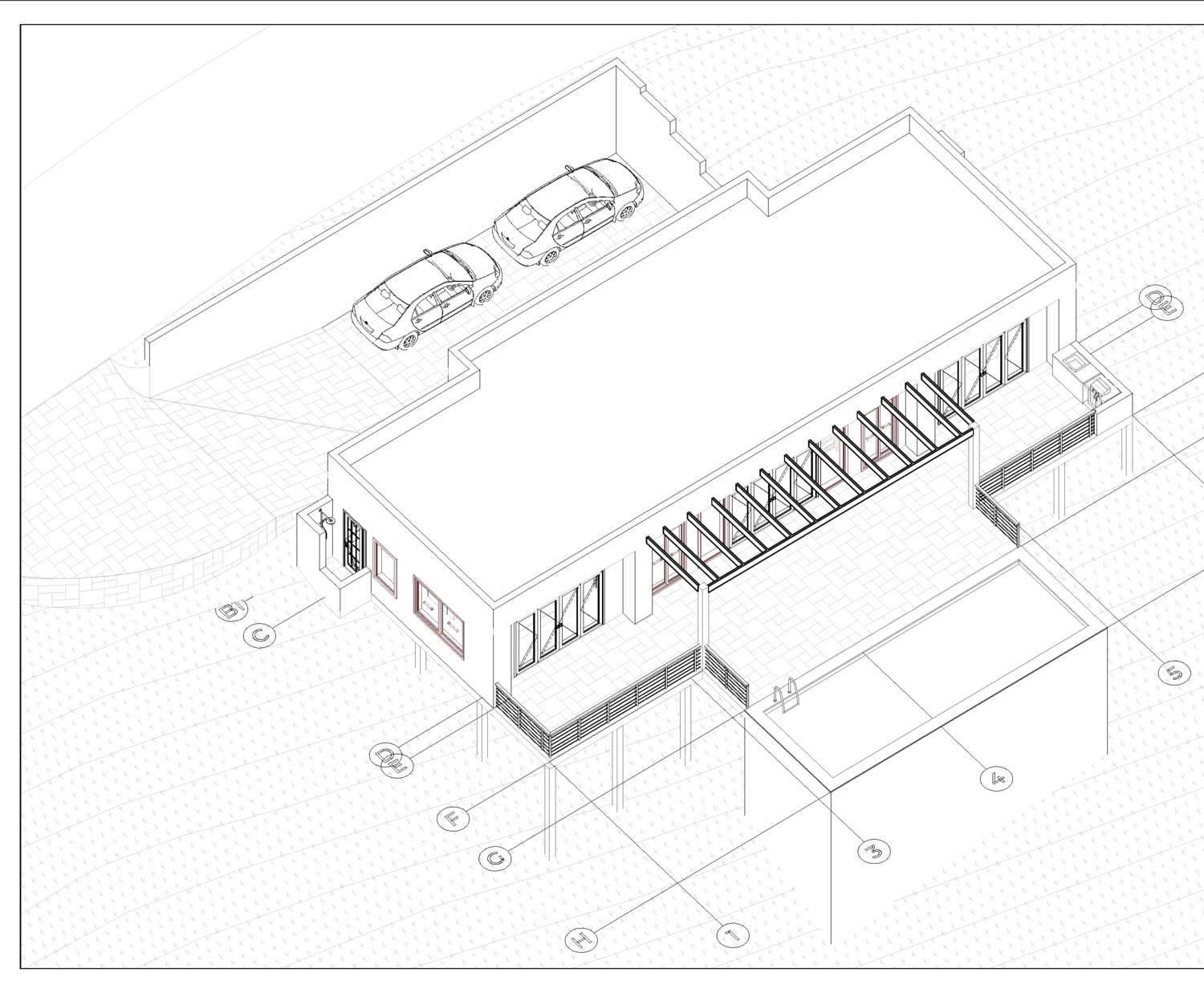
Schematic design is where the house first becomes visible. The architect translates the brief into an actual proposal — floor plans, elevations, and usually 3D views — so you can see and react to the idea rather than describe it in words. It's the most creative, most fluid phase, and the one where the shape of the whole project gets locked in.
Spend the time here, and take it in stages. If you have a specific vision — even one you can't put into clean words — this is the moment to get it out. Don't worry about describing it perfectly. Use the relationship with your architect: bring the references, the half-formed ideas, the "something like this but not quite," and let the back-and-forth resolve it. Reading what a client actually means is a trained part of the job. The vaguest instinct, surfaced now, is cheap to explore; the same instinct surfaced after the drawings are coordinated is expensive.
Start talking to builders — and engineers — at the end of SD. This is the single most useful thing a first-timer can do. Once the scheme is roughly settled but before it's been developed in detail, bringing a general contractor (and, where relevant, a structural or civil engineer) into the conversation lets you test the design against real-world cost and buildability while changes are still cheap. If the budget and the ambition don't match, this is the least painful place to adjust. Wait until the drawings are finished and the same conversation means redoing work.
What you receive: plans, elevations, and 3D views that let you understand the whole design.
What you decide: whether this is the house. Aim to genuinely agree the design here — not "close enough." As a rule of thumb, if most of the scheme isn't truly settled by the end of SD, the unresolved part doesn't stay small; it comes back as problems during development, or worse, as questions on site.
The end of schematic design is the cheapest moment to sanity-check a project — the design, the budget, the direction, and how involved you want to be. If that's roughly where you are, a free Office Hours session is a focused conversation about your specific project, no obligation.
Design Development (DD): proving it can be built
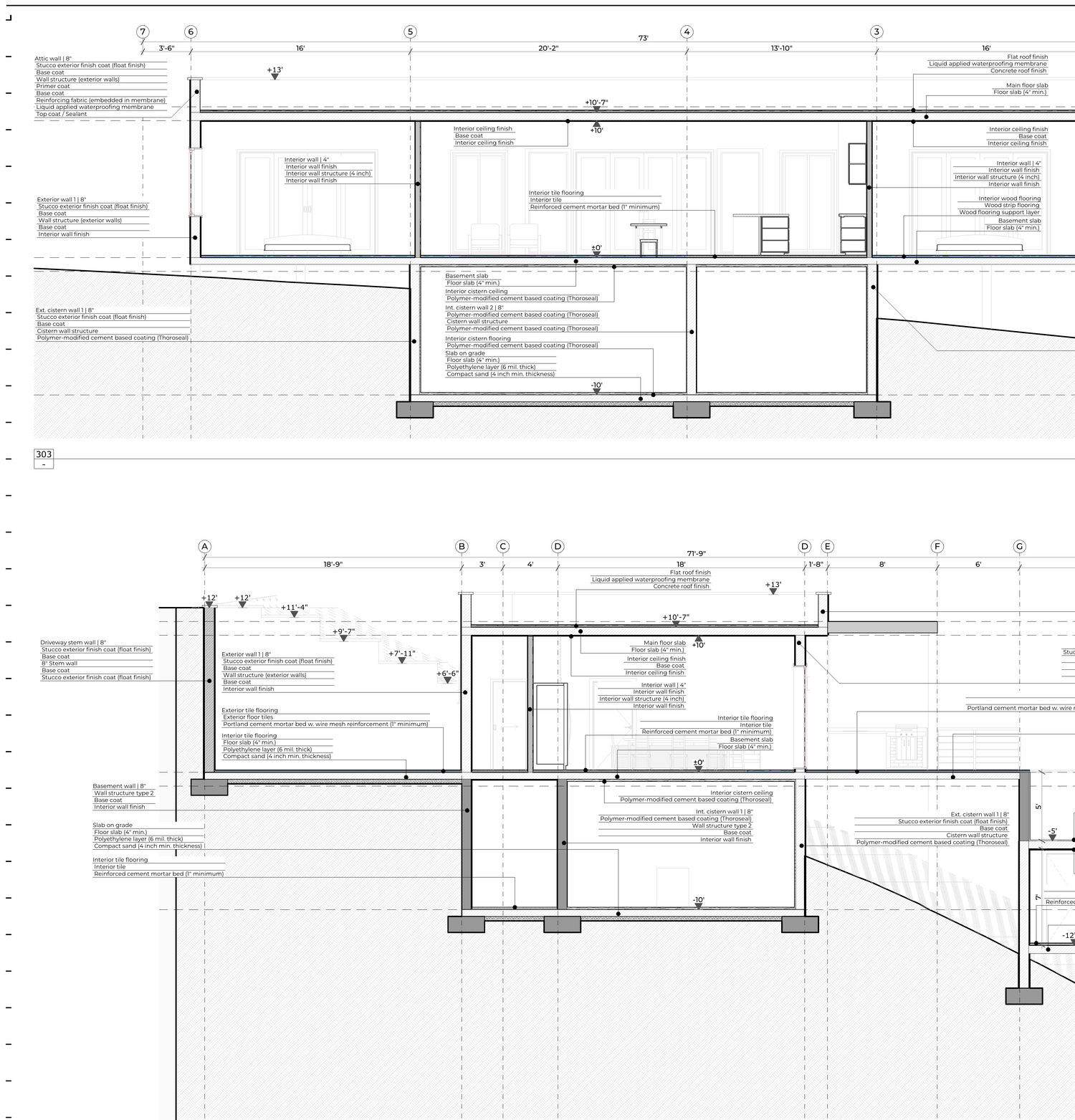
If schematic design decides what the house is, design development works out how it holds together. The design gets thicker: wall types, materials, structural approach, how the roof frames, how the levels meet the slope, where the services run. This is the phase where consultants come in properly — structural and MEP engineers coordinate their work with the architecture so the pieces fit.
Get into the drawings here. Changes are still feasible at DD — harder than in SD, but not the ordeal they become later. That makes this the right time to slow down and actually read the plans and sections with your architect. Don't nod along. Ask what a section is showing you, follow how a room works in three dimensions, understand where the money is going. A first-time client who takes the time to genuinely understand the design at DD makes better decisions and gets fewer surprises — and the understanding you build here is what lets you read the construction set later.
What you receive: developed plans, sections, and elevations, with materials and systems resolved and consultants coordinated.
What you decide: the technical and material direction — and any remaining layout questions, because this is close to your last comfortable chance to change them.
Where it goes wrong: disengaging because it "looks done." DD drawings can look finished to an untrained eye while important decisions are still open. The cost of a change is climbing through this phase; the reward for staying involved is highest here.
Construction Drawings (CD): specifying exactly how
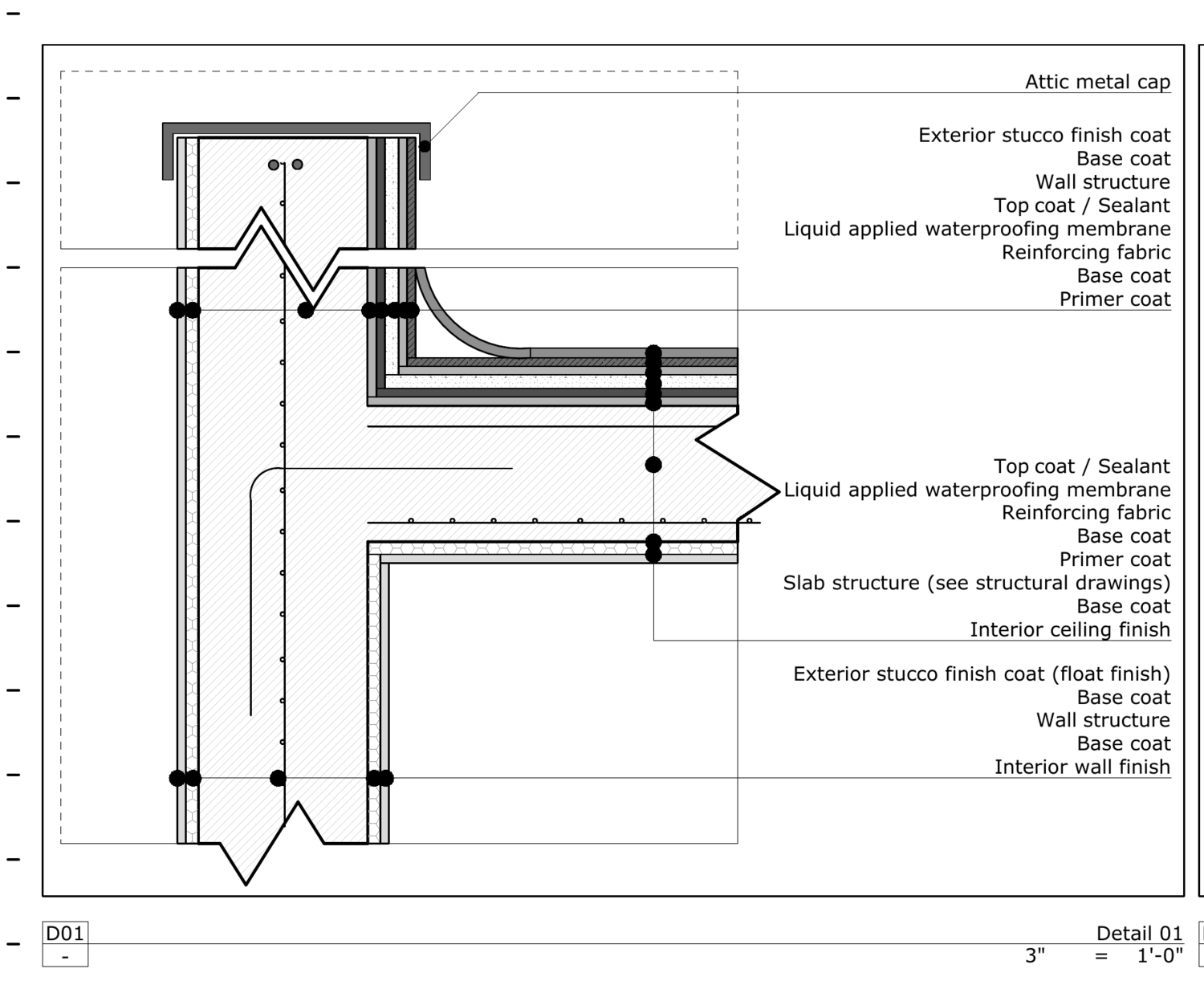
Construction drawings are about one thing: control. This is the complete, coordinated set a contractor can price accurately and build from without guessing — plans, sections, and the fine-grain details drawn at large scale, along with schedules and specifications that say exactly what goes where. Every layer of an assembly, every junction, every material is named.
A complete set is also what protects your budget when the project goes out to bid, which is where a first-time client has real leverage — if they use it:
Get more than one bid, and don't take any of them at face value. A contractor's number is the start of a conversation, not the final word. Get multiple bids on the same complete set of drawings so you're comparing like with like, then sit down with the builders and go through them. There is almost always room to discuss — where costs can be optimised, what's driving a line item, where an alternative achieves the same result for less. A bid you simply accept is a bid you've overpaid.
A note on permit sets versus construction sets. A permit set — the drawings a jurisdiction needs to approve the build — sits closer to a developed DD than to a full construction set. You can often permit and even start building from less than a complete CD. But every decision left out of the drawings is a decision that gets made on site, by someone who isn't you, under time pressure — and that's where change orders and cost creep come from. A proper construction set is what keeps control of the outcome, and the final number, in your hands rather than the field's.
What you receive: a coordinated set complete enough to price and build from.
What you decide: final specifications — and, with good bids in hand, who builds it and on what terms.
Why the order matters — and what it costs to break it
Notice the through-line: at every phase, the cost of a change goes up, and your ability to influence the outcome for free goes down. A layout idea is nearly free at schematic design. The same idea at design development means reworking coordinated drawings. At construction drawings it means redrawing a specified, detailed set. On site, it means demolition and rework.
That's the real reason the phases run in order, and the real argument for staying engaged early rather than saving your attention for the end. The instinct many first-time clients have — to skim the "boring" early stages and focus once things look real — is exactly backwards. The early phases are where your involvement is cheapest and most powerful. By the time it "looks real," most of the decisions that matter are already made.
Which brings it back to the question from the start: how much do you want to take on? There's no wrong answer — but decide it deliberately, tell your architect early, and let it shape how the process is run. A design process built around how you actually want to work is one you stay in control of. One that isn't is one that surprises you.
Every project is different, and the right way to run these phases depends on your site, your budget, and how involved you want to be. If you'd like to talk through where your project is and what you should be deciding next, book a free Office Hours session below — a focused conversation about your specific project, no obligation.